Please login or become a member to view this page!
Please login or become a member to view this page!
How can we bridge research, management and policy in Alberta?
Effective natural resource stewardship depends on coherent relationships between research, management, and policy. Yet despite shared goals, these sectors often operate within parallel systems that limit knowledge flow, hinder adaptive decision-making, and weaken outcomes.
This talk outlines the core barriers that maintain these divides and presents solutions for bridging the gaps between them. Drawing on Alberta case studies and emerging models, I highlight how “minding the gap” shifts us from a one-directional transfer of science to inclusive, sustained partnerships that work toward producing meaningful outcomes.
Presenter Bio:
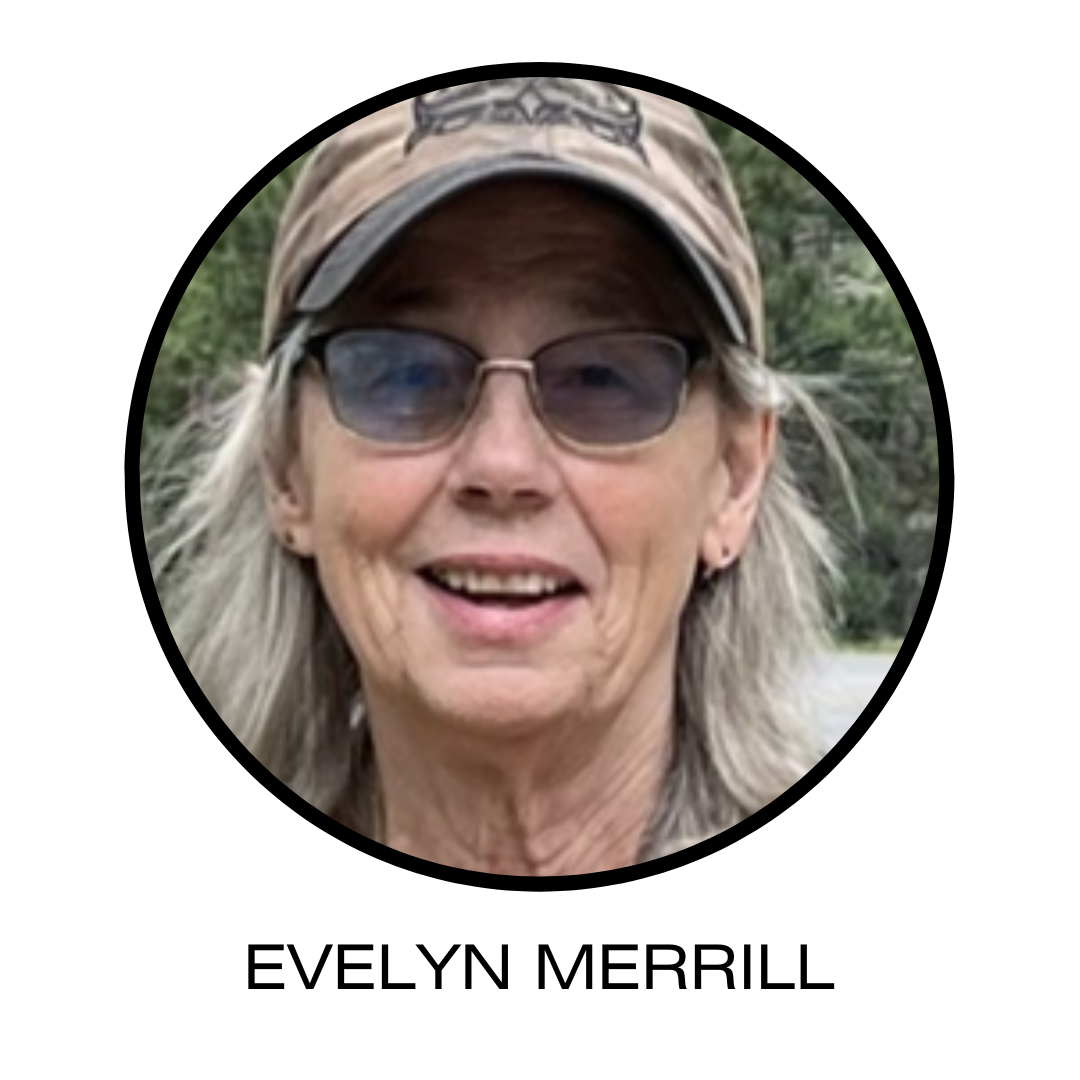
Dr. Evelyn “Evie” Merrill is a Professor Emerita in the Department of Biological Sciences at the University of Alberta. She completed her PhD in Wildlife Resources at the University of Washington and holds an MSc from the University of Idaho.
Her research spans more than five decades focusing on ungulate ecology, including nutritional foraging, plant–herbivore–predator interactions, and the effects of landscape change on wildlife populations. More recently, she has applied spatial modeling approaches to better understand the spread and transmission of chronic wasting disease across varied landscapes.
Dr. Merrill has been widely recognized for her contributions to wildlife science. She has received major awards from both scientific and natural resource groups recognizing her research on elk, wolves, and chronic wasting disease, and for her long-standing service to the profession. She served as the first female Editor-in-Chief of The Journal of Wildlife Management, is a Fellow of The Wildlife Society, and a member of the Science Advisory Panel of the Office of the Chief Scientist in EPA. She has held leadership roles as President of both the Alberta Chapter and the Canadian Section of TWS, and is now the President-elect of The Wildlife Society.
Her career exemplifies the 2026 ACTWS Conference theme, Working Together: Science and Management, through her longstanding commitment to bridging rigorous science with practical, on-the-ground wildlife management by bringing together researchers, managers, and policy makers to apply ecological knowledge in meaningful, actionable ways.
Applied Grizzly Bear Research to Inform and Support Conservation and Management in Alberta (1999-2023)
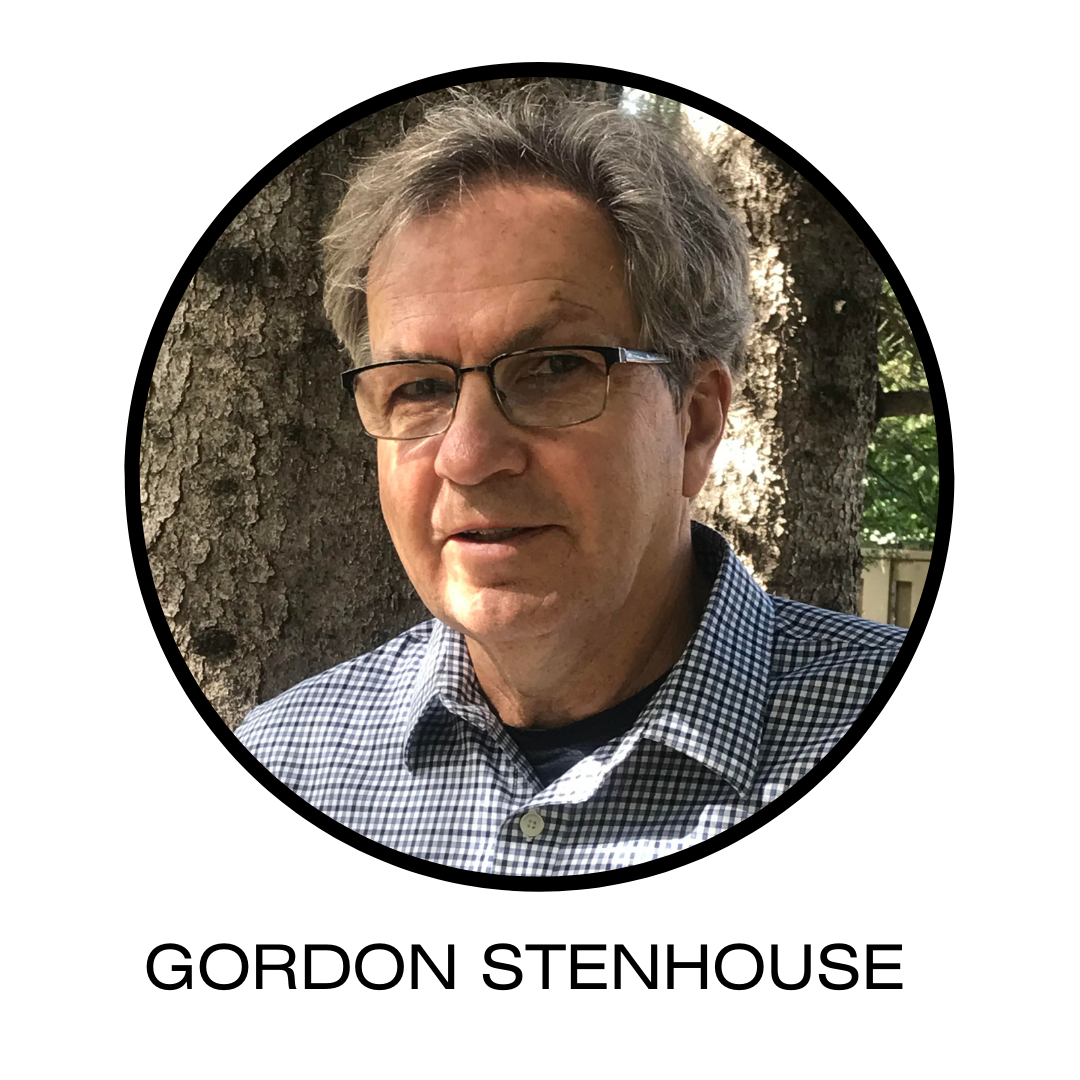
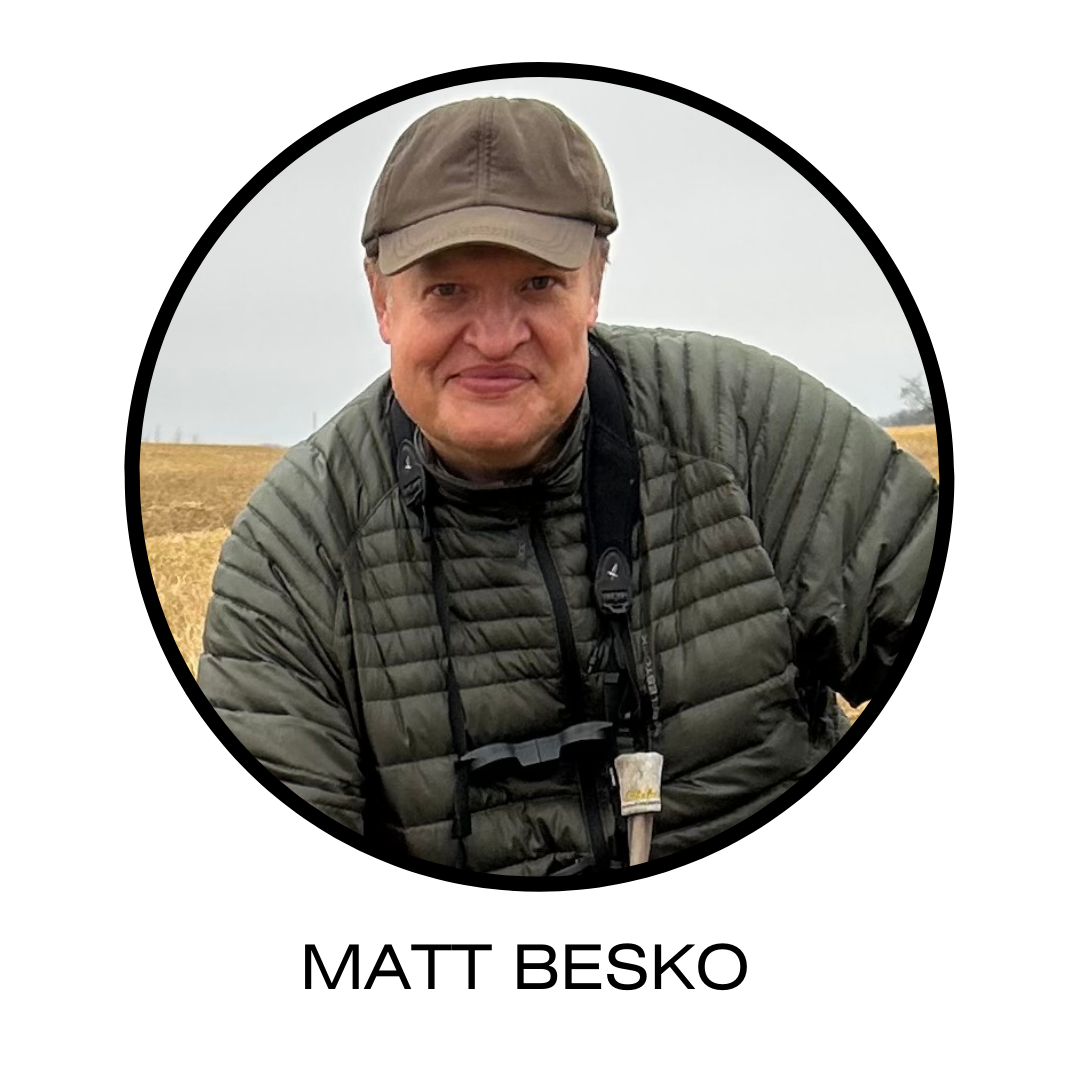
Gordon Stenhouse, Research Scientist and fRI Research Grizzly Bear Program Leader (retired).
This presentation will focus on the achievements of, and challenges faced by the fRI Grizzly Bear Program over two decades of applied research in Alberta. Discussion of the evolution of the research questions within the program and the data needs of government management agencies fused to direct this long-term research program which resulted in a unique challenge for the research team. The important partnerships that were formed to support the program, and their evolution over the course of the research effort, will be shared along with the challenges that these presented. A summary of how the research findings affected current grizzly bear management, and the status of this species, in Alberta and how the tools that were developed and distributed as a key outcome of the program, are still in use today.
Bio: Gordon is a retired research scientist and the former leader of the Foothills Research Institute Grizzly Bear Research Program in Hinton, Alberta. This research program began in 1998 and ran for 23 years with over 180 published scientific papers from the research team working on this program. This program helped to support 52 graduate students from 6 different Canadian Universities and gathered $29 million from a variety of sources to support what has been the largest and most comprehensive grizzly bear research program in Alberta’s history. Gordon and his team was recently awarded an Alberta ASTECH award for team achievements and innovation for their decades of work on grizzly bears
Gordon was on secondment from the Alberta provincial government for a 23-year period while running the fRI grizzly bear program and was also an adjunct professor at the Western College of Veterinary Medicine at the University of Saskatchewan. He is also the past chairman of the Alberta Grizzly Bear Recovery Team and is currently an executive council member with the International Association for Bear Research and Management.
Gordon has studied both polar and grizzly bears for 39 years ….now more than half of his life. He now works as a private consultant on bear projects in a variety of locations in Canada.
“Trust Me, I’m a Biologist………”
Statutory Decision Making for Wildlife Management and Allocation – How Government integrates Science into the Complex World of Competing Interests for Regulation and Policy
Reconnecting the Rockies Alberta: Bridging Science and Management for Wildlife Connectivity
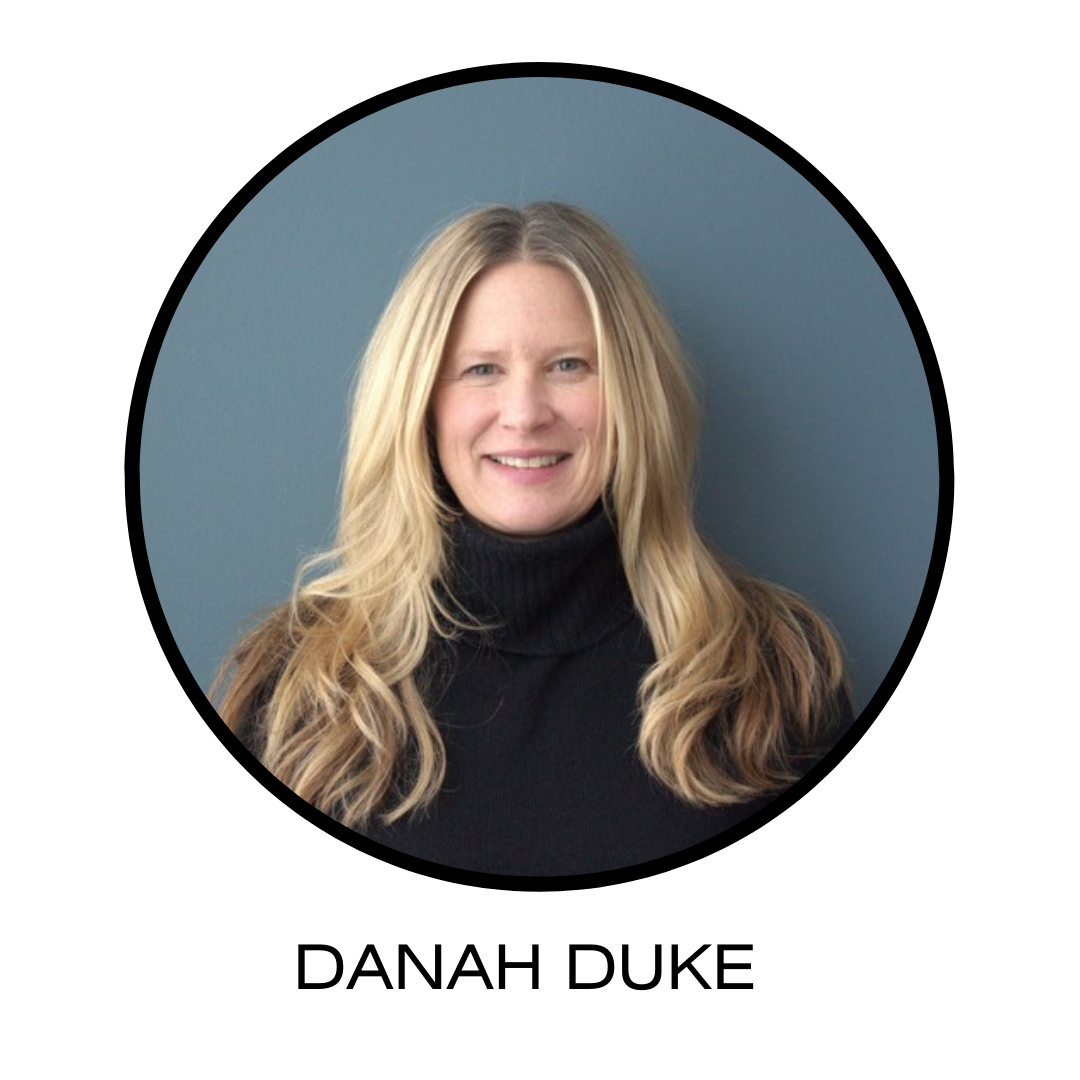
The Miistakis Institute applies a collaborative, solutions-oriented approach to conservation research that bridges the gap between science and on-the-ground management. Our work focuses on developing and applying practical, policy-relevant tools that help decision-makers, communities, and industry partners balance ecological integrity with human needs. The Reconnecting the Rockies – Alberta project exemplifies this approach. Centered in southwestern Alberta, this collaborative initiative is improving wildlife movement and ecological connectivity in one of the province’s most critical and fragmented landscapes. Working alongside Alberta Environment and Protected Areas, Miistakis, together with Nature Conservancy Canada and Biodiversity Pathways, is supporting the design and evaluation of an ambitious wildlife collision reduction system along Highway 3—one of Alberta’s busiest wildlife-vehicle conflict zones. Using remote cameras and GPS collaring of grizzly bears, elk, deer, we are monitoring pre- and post-construction wildlife movement to refine mitigation design and inform management decisions. Beyond infrastructure, the project integrates corridor mapping, policy development, and public engagement to advance connectivity conservation across the region. Together, these efforts demonstrate how applied conservation science can inform management, shape policy, and deliver tangible benefits for both people and wildlife.
Bio: Danah Duke is the Executive Director of the Miistakis Institute, where she leads an interdisciplinary team dedicated to advancing applied conservation research and translating science into practical solutions for land and resource management. With over two decades of experience in conservation science, Danah has built a career focused on bridging the gap between research and real-world decision-making. Under her leadership, Miistakis has become a trusted partner to governments, NGOs, and communities seeking evidence-based strategies to address complex environmental challenges. Her work emphasizes collaboration, co-creation, and the integration of scientific knowledge into policy and planning to improve outcomes for both people and nature. Danah’s expertise spans ecological connectivity, wildlife movement, landscape conservation, human–wildlife coexistence and citizen science. Danah holds a M.Sc. in Environmental Biology and Ecology from the University of Alberta.
Wings, Wires and Collaboration: The Evolution of Avian Protection Plans in Canada
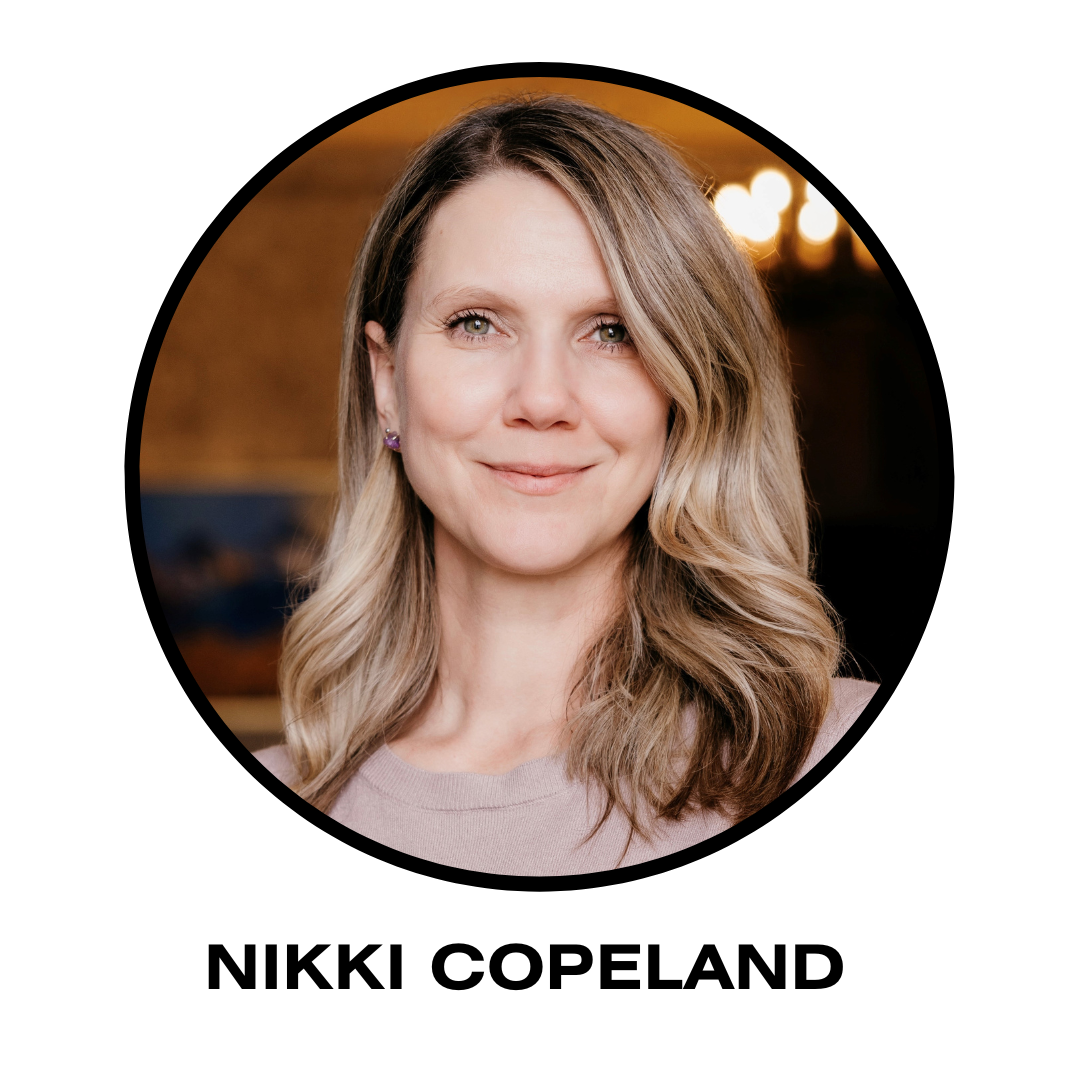
Abstract: Effective wildlife management in industrial settings requires collaboration between science, government, and industry. This presentation explores the development of Canada’s first Avian Protection Plan (APP) at AltaLink, an initiative that has since become a national standard for electric utilities. We’ll examine the process of translating science into operational practice, securing buy-in from management and operational teams, and demonstrating how environmental programs such as APPs can enhance company performance. The APP’s success highlights the power of partnerships and the critical role of science in shaping practical, scalable solutions for wildlife protection.
Bio: Nikki Copeland is a Senior Environmental Advisor with AltaLink and currently serves as President of the Alberta Society of Professional Biologists (ASPB). With over two decades of experience in environmental science and wildlife biology, Nikki has dedicated much of her career to understanding and mitigating avian interactions with electrical infrastructure. She led the development and implementation of Canada’s first Avian Protection Plan and continues to champion innovative approaches to wildlife management and environmental stewardship. Nikki is passionate about fostering collaboration within the professional biology community and sharing practical solutions that balance ecological integrity with operational needs.
“Rooted in Wisdom: Deer Aging Techniques”
Embark on a journey of precision and insight with the Lethbridge College Wildlife Analytics Lab (WAL) at the ACTWS Conference in Jasper! Join our workshop, ‘Rooted in Wisdom: Deer Aging Techniques‘, to explore the secrets hidden within wildlife teeth. Explore both the field technique of ‘tooth eruption and wear’ and the laboratory marvel of ‘cementum analysis’ – both dedicated to unraveling the mysteries of ungulate ages. Delve into the heart of these techniques, comparing their accuracy and precision, with a revelation of the superior accuracy of cementum analysis. Learn the art of tooth extraction and witness the seamless process of submitting your own wildlife teeth to the WAL for aging through cementum analysis. Elevate your understanding of deer populations and contribute to the advancement of wildlife knowledge and bolster your resume with applied experience. Participants will gain hands-on familiarity with the field technique of jaw aging, and the lab process of tooth extraction, inspection, preparation, and cementum analysis. Join us in Jasper for a transformative experience at the intersection of field expertise and cutting-edge laboratory analysis!
Facilitated by the Wildlife Analytics Lab, Lethbridge College
Cost: $15
Professional refers to someone who works with wildlife and/or their habitats in a professional setting.
In this context, it is not in reference to a legal professional designation.