Conference & Awards

2026 ACTWS Conference

Working Together: Science and Management

Wildlife conservation and management requires more than solid research; it also depends on clear communication of management needs and priorities as well as management implications of research findings. Effective programs benefit from thoughtful collaboration between scientists, managers, Indigenous Knowledge holders, and decision-makers. This year’s theme explores project development with management needs in mind, while maintaining scientific rigor. 

Instead of trying to apply research after the fact, we’ll focus on building relevance, usability, and practicality into the process from the beginning. What do managers need to know to make timely informed decisions? How can researchers design studies that directly address the needs of managers? And how can managers articulate the challenges they face, so science can help address them?

Throughout the conference, we’ll spotlight examples of collaboration that led to on-the-ground change, discuss how to communicate management implications effectively to decision makers, and provide space for dialogue between researchers and practitioners. Whether you’re assessing conservation threats, advancing a new management technique, supporting policy development, or addressing the recovery of a species at risk, this year’s sessions will help bridge the gap between science and management: to make conservation outcomes stronger.


Conference Registration Rates

  • ACTWS Regular Member: $330
  • ACTWS Student Member: $200
  • Regular Non-Member: $380
  • Student Non-Member: $220

To receive member pricing, please ensure you’re logged in to your account before clicking ‘Register.’

ACTWS memberships are $20.76 for regular members and $5.42 for student members. If you’re interested in joining, please 

click here.

ACCOMMODATIONS

We encourage you to book early to ensure availability and the best rates.

    1. Banff Park Lodge (Conference Venue)
      Location: 201 Lynx St, Banff, AB T1L 1K5
      Booking: (403) 760-3251 (Please quote the Block ID #944485 to receive the conference discount), or use the online booking link.
    2. Basecamp Resorts
      Locations: Several properties in Banff & Canmore
      Booking: Online booking link (Please use the Promo Code BCAMPGROUP for a 25% discount)
    3. Grande Rockies Resort 
      Location: 901 Mountain St, Canmore Alberta T1W 0C9
      Online booking link

For those choosing to stay in Canmore, please note that Roam Transit buses run daily between Canmore and Banff from 5:30 AM to 11:30 PM – route schedule & pricing.

CALL FOR ABSTRACTS

You are invited to submit titles and abstracts for oral presentations and posters at the 2026 conference of the Alberta Chapter of The Wildlife Society. Presentations on all aspects of wildlife are welcome including ecology, management, research, monitoring, species biology, genetics, and new techniques.

The three types of presentations offered are:

  1. Traditional oral presentations – 12 minutes in length + 3 minutes for questions. Abstracts will be grouped into common themes and placed into concurrent sessions.
  2. Speed talks – 4 minutes in length.
  3. Poster – A poster session will be hosted on one day in the evening for all conference participants.
 

The abstract submission form will ask you to specify your preferred talk format (e.g., traditional oral presentation, speed talk, or poster). While we endeavor to honor everyone’s requests, the Conference Planning Committee may ask you to deliver your presentation in a different format based on other abstracts submitted and conference organization. Your understanding and cooperation are appreciated.

If you do not have results for your research, please consider submitting for a poster presentation, rather than oral.

Abstracts must include:

  1. Lead author name, affiliation, mailing address, phone number(s), and e-mail address
  2. Names and affiliations of additional authors
  3. Title of abstract
  4. Distillation of the purpose, methods, results and conclusions, 250 words max.
 

The abstract you submit will be the final version that is printed in the program booklet.

Please note: Authors will be advised of the final decision on their abstract by January 18, 2026. The final conference schedule will be released January 26th, 2026.

Deadline: January 9, 2026

Awards & Scholarships

The ACTWS annually administers four professional awards, four student scholarships, and many student travel awards.

Deadline: January 16, 2026

SCHEDULE HIGHLIGHTS

Thursday, February 26th:

  • Evening Public Talk

Friday, February 27th:

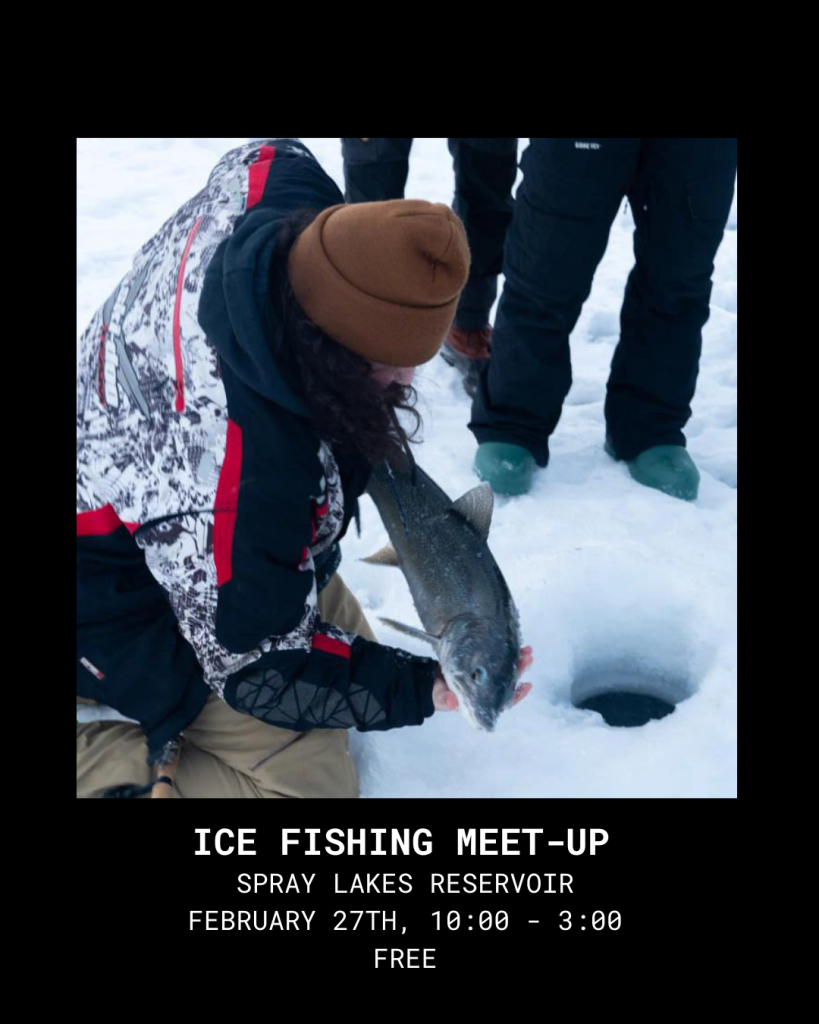
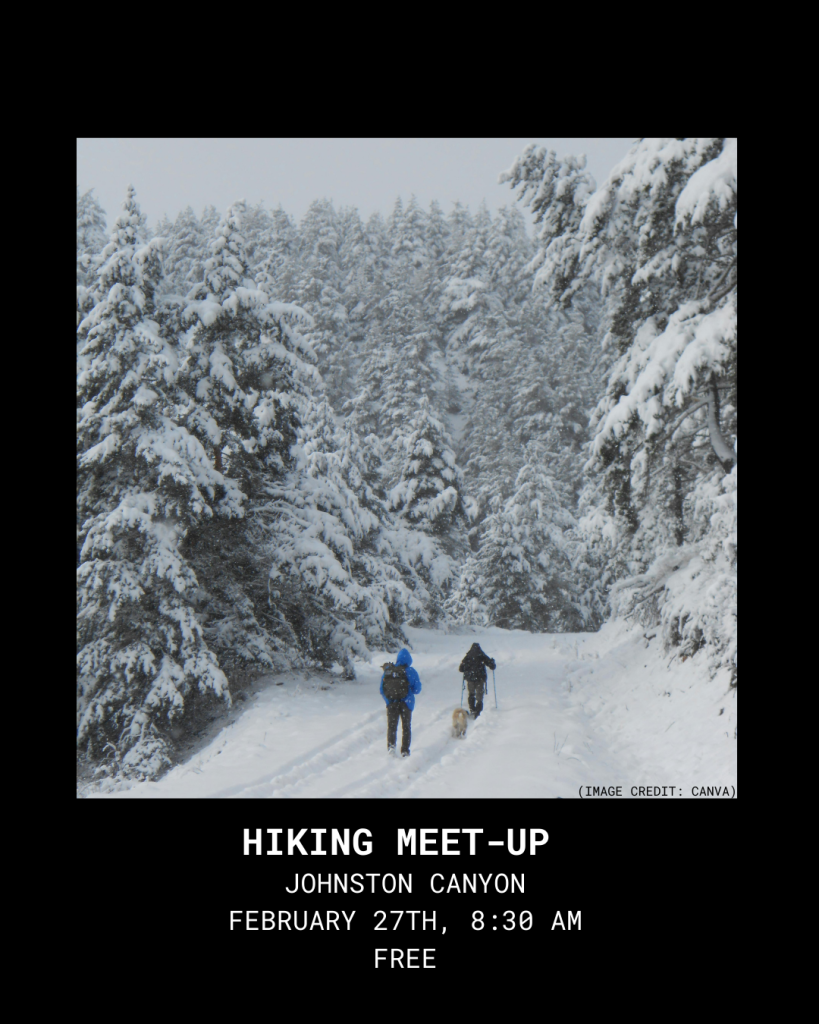
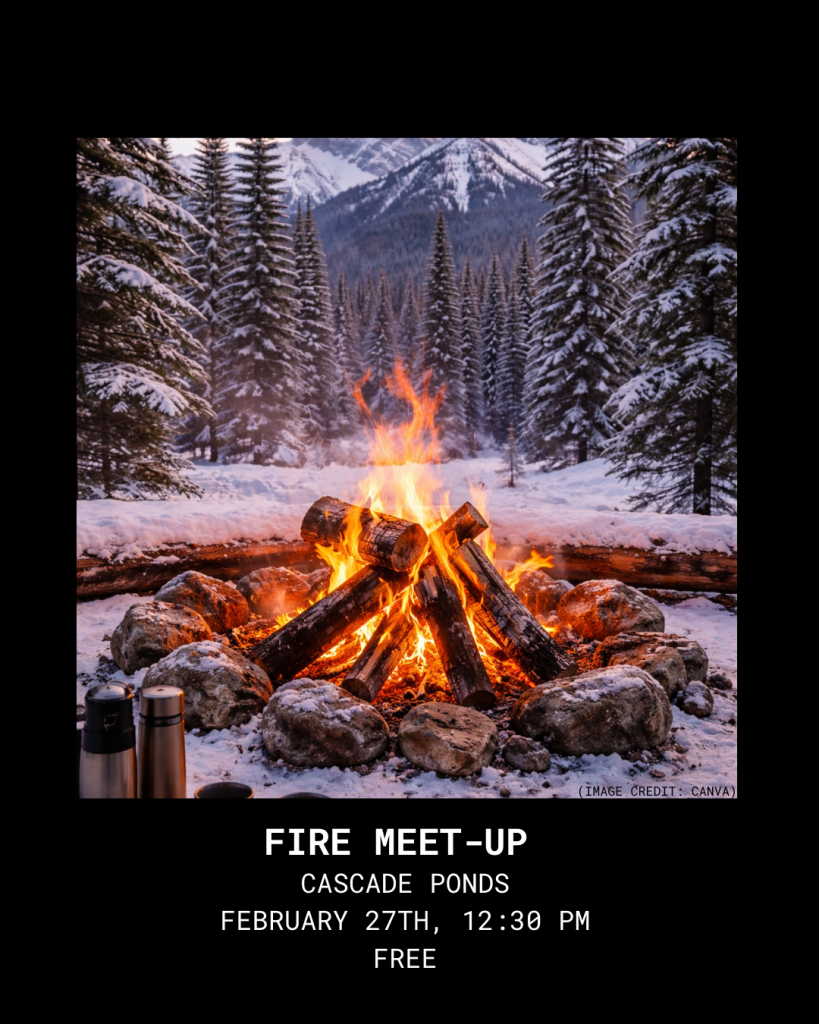
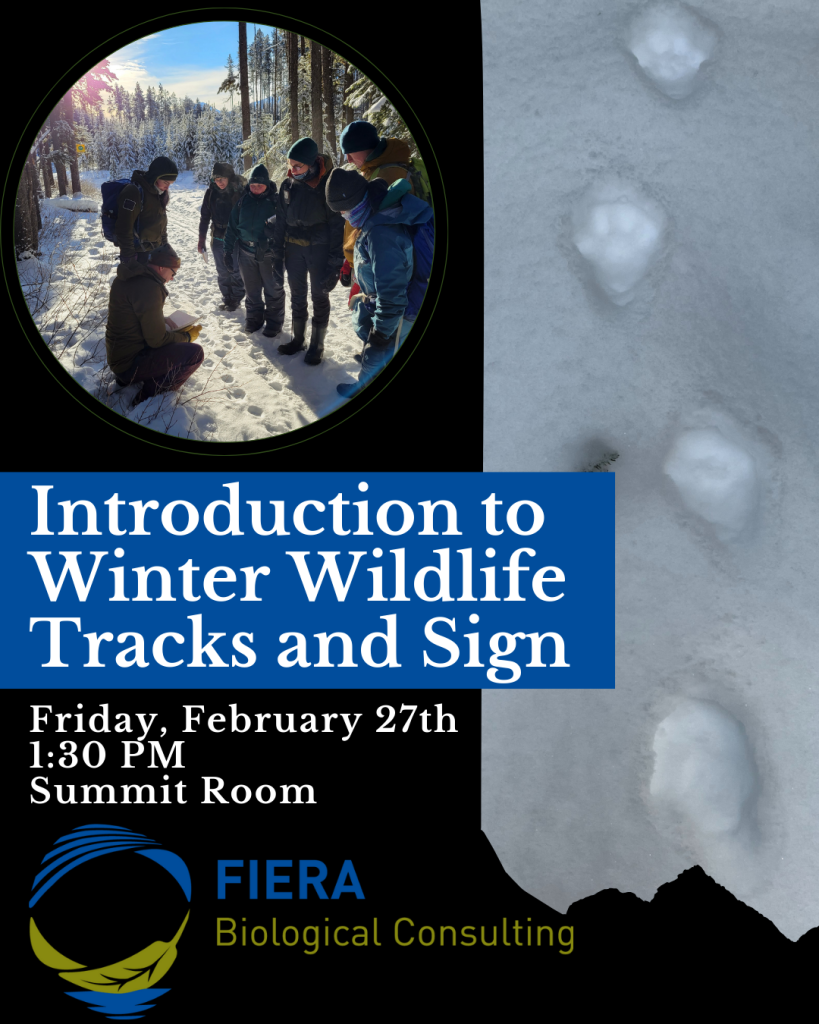
  • Field Trip & Meet Ups
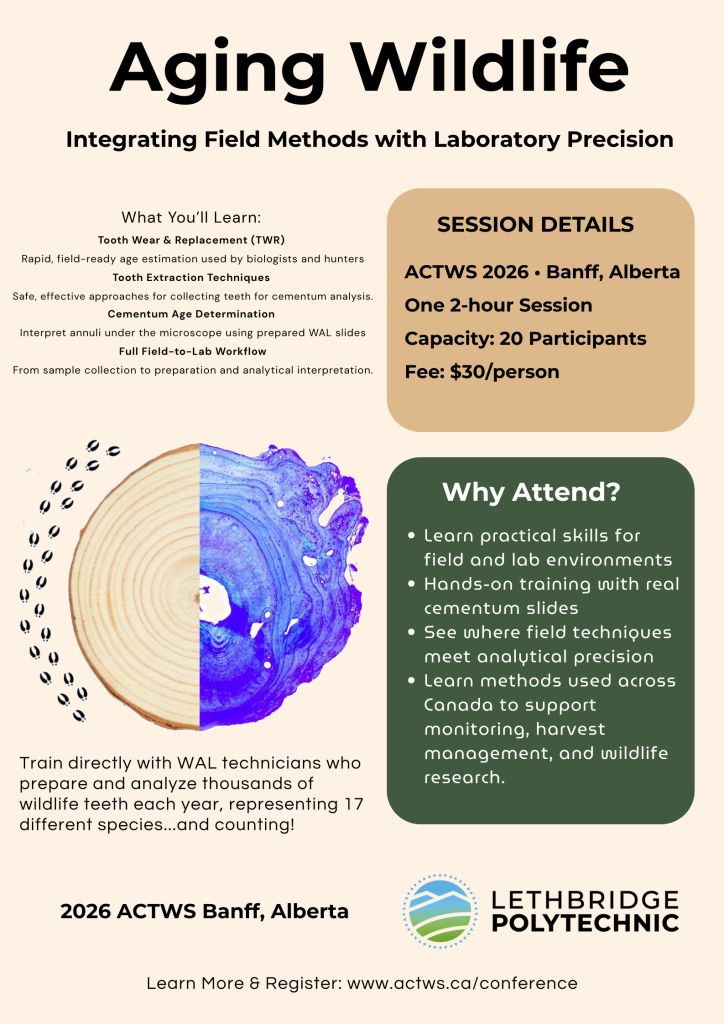
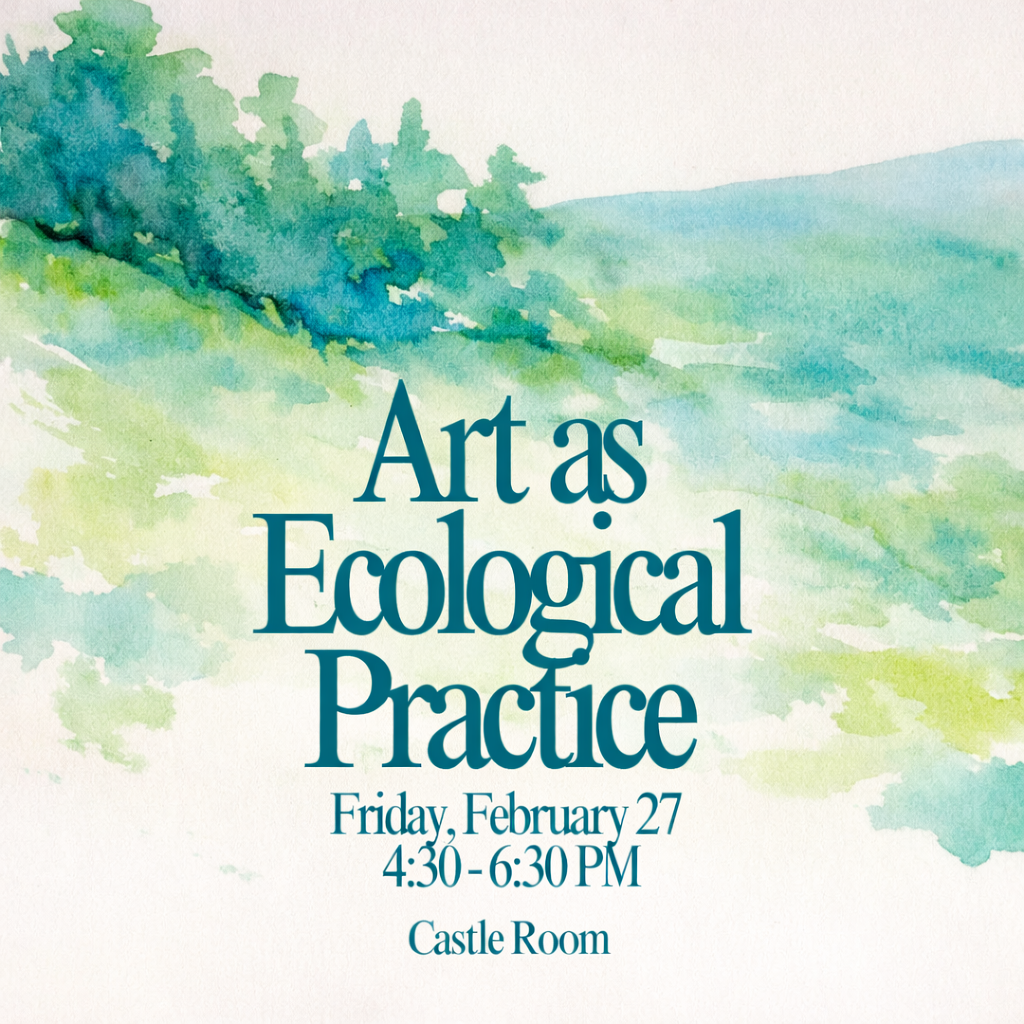
  • Workshops
  • ACTWS AGM
  • Networking Events
  • Mixer
Saturday, February 28th:
  • Keynote Presentation by Dr. Evelyn Merrill
  • Science & Management Panel
  • Concurrent Sessions
  • Poster Session
  • Banquet & Awards

Sunday, March 1st:

  • Concurrent Sessions
  • Species Reporting Session
  • Student Presentation Awards
 

PUBLIC TALK
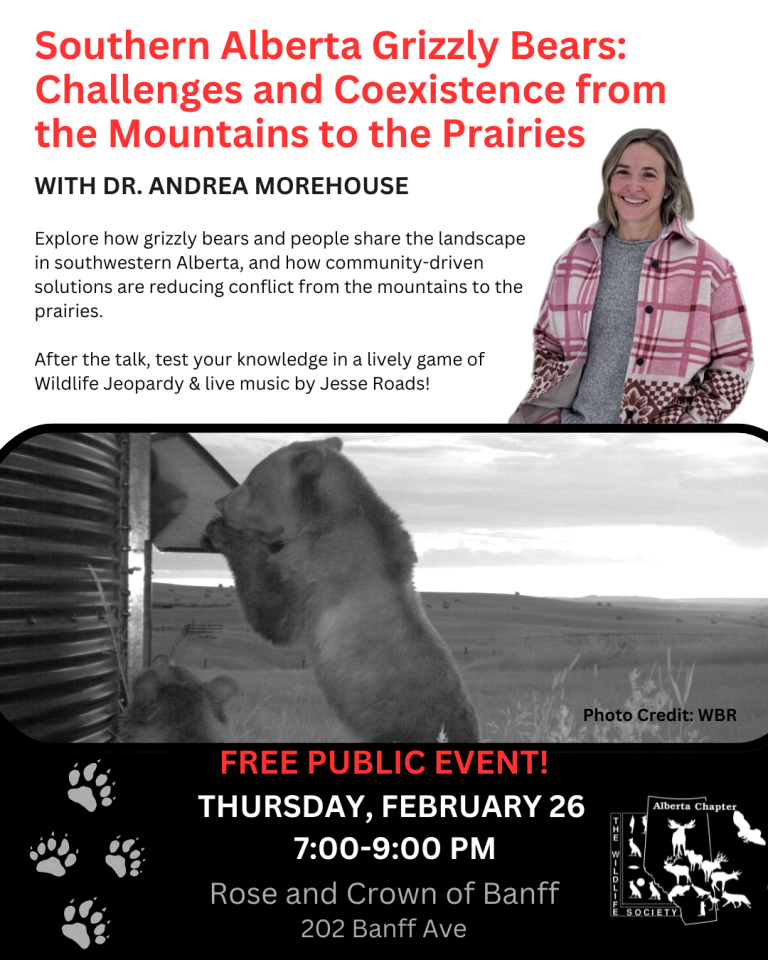
Thursday, February 26, 7:00 – 9:00 pm. at Rose and Crown (202 Banff Ave)

Cost: Free! Be sure to arrive early to grab a good seat! 

Join us for an engaging evening with Dr. Andrea Morehouse exploring how grizzly bears and rural communities are learning to coexist in southwestern Alberta, where mountains meet the prairies. Learn how the Waterton Biosphere Region’s Carnivores and Communities Program is leading community-driven solutions to reduce conflict and keep people and bears safe.

Click the Register button to view the full abstract and speaker bio.

Stay after for Wildlife Jeopardy and live music by Jesse Roads..

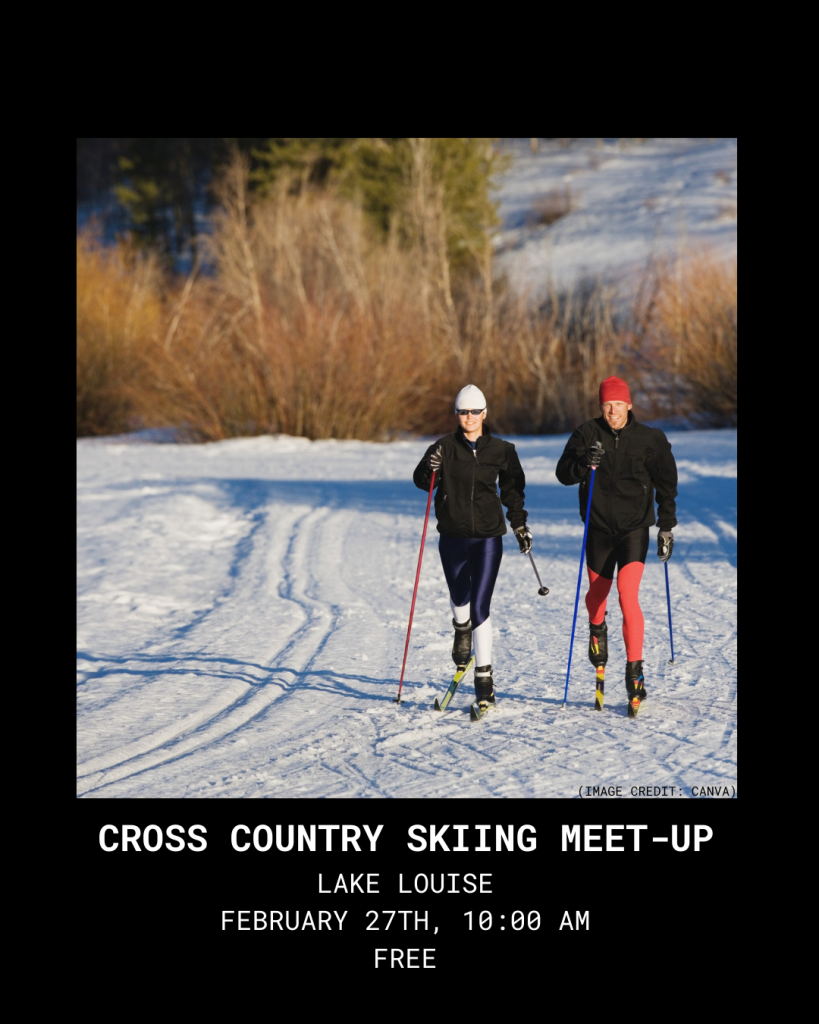
FIELD TRIP & MEET UPS

Please click ‘Sign up’ to learn more. 
WORKSHOPS

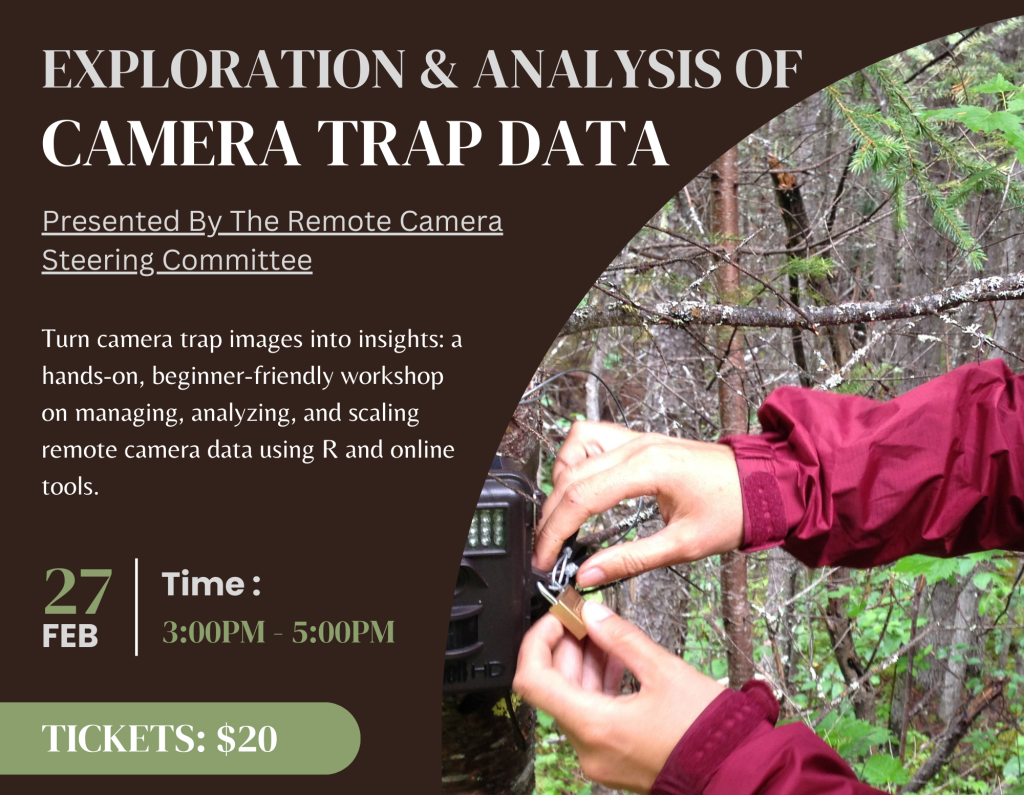
Please click ‘Register’ to learn more. 
NETWORKING OPPORTUNITIES

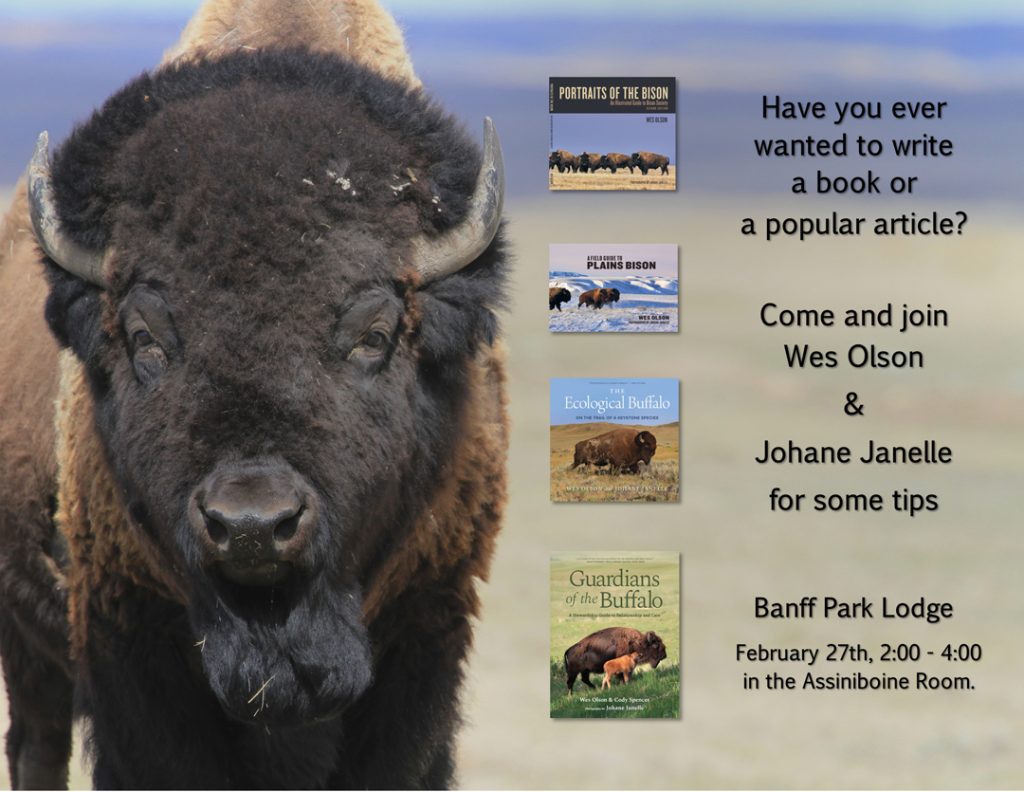
All networking events are free, but registration is required. Please click ‘Register’ to learn more. 
KEYNOTE SPEAKER

How can we bridge research, management and policy in Alberta?

Presented by Dr. Evelyn Merrill

Effective natural resource stewardship depends on coherent relationships between research, management, and policy. Yet despite shared goals, these sectors often operate within parallel systems that limit knowledge flow, hinder adaptive decision-making, and weaken outcomes.

This talk outlines the core barriers that maintain these divides and presents solutions for bridging the gaps between them. Drawing on Alberta case studies and emerging models, I highlight how “minding the gap” shifts us from a one-directional transfer of science to inclusive, sustained partnerships that work toward producing meaningful outcomes. 

Presenter Bio:

Dr. Evelyn “Evie” Merrill is a Professor Emerita in the Department of Biological Sciences at the University of Alberta. She completed her PhD in Wildlife Resources at the University of Washington and holds an MSc from the University of Idaho.

Her research spans more than five decades focusing on ungulate ecology, including nutritional foraging, plant–herbivore–predator interactions, and the effects of landscape change on wildlife populations. More recently, she has applied spatial modeling approaches to better understand the spread and transmission of chronic wasting disease across varied landscapes.

Dr. Merrill has been widely recognized for her contributions to wildlife science. She has received major awards from both scientific and natural resource groups recognizing her research on elk, wolves, and chronic wasting disease, and for her long-standing service to the profession. She served as the first female Editor-in-Chief of The Journal of Wildlife Management, is a Fellow of The Wildlife Society, and a member of the Science Advisory Panel of the Office of the Chief Scientist in EPA. She has held leadership roles as President of both the Alberta Chapter and the Canadian Section of TWS, and is now the President-elect of The Wildlife Society.

Her career exemplifies the 2026 ACTWS Conference theme, Working Together: Science and Management, through her longstanding commitment to bridging rigorous science with practical, on-the-ground wildlife management by bringing together researchers, managers, and policy makers to apply ecological knowledge in meaningful, actionable ways.
WORKING TOGETHER: SCIENCE & MANAGEMENT PANELISTS

Please click on each panelist’s photo to read their abstract and bio. 

SPECIES REPORTING SESSION

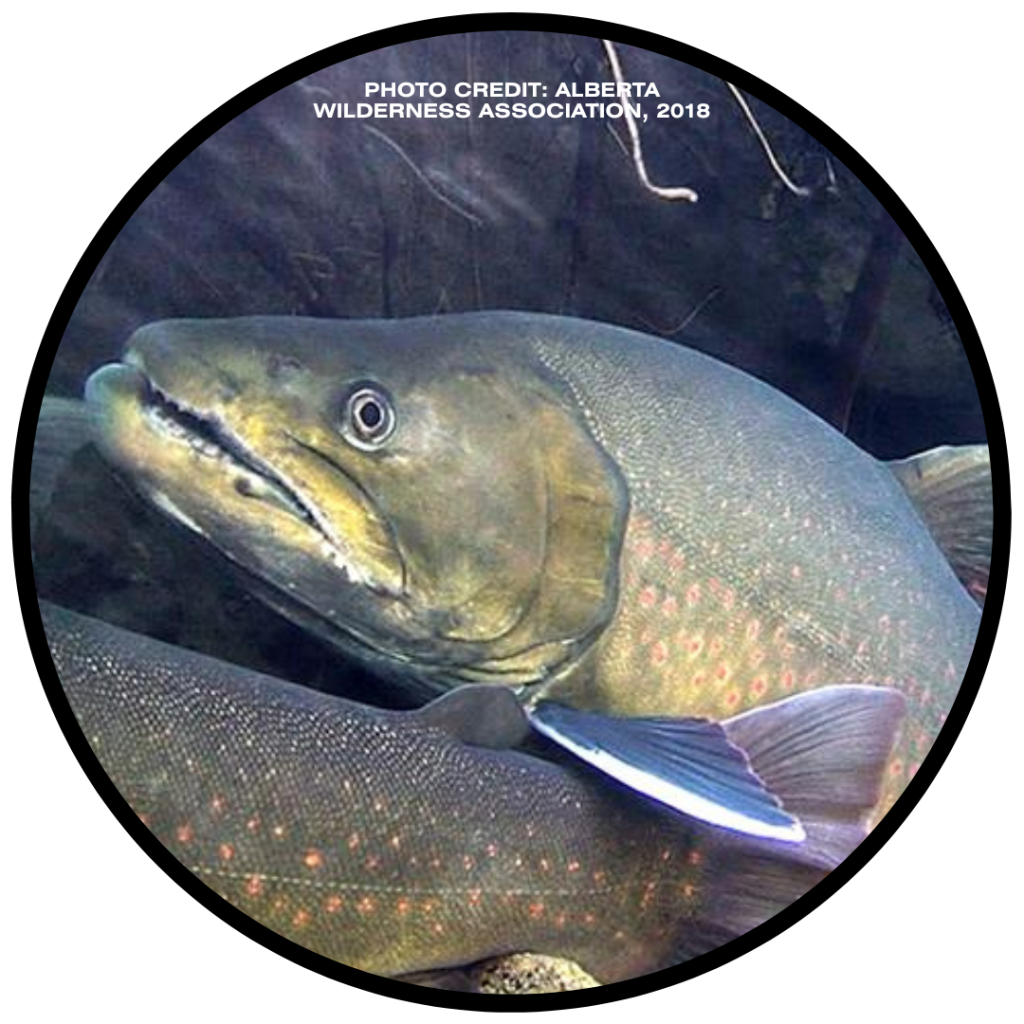
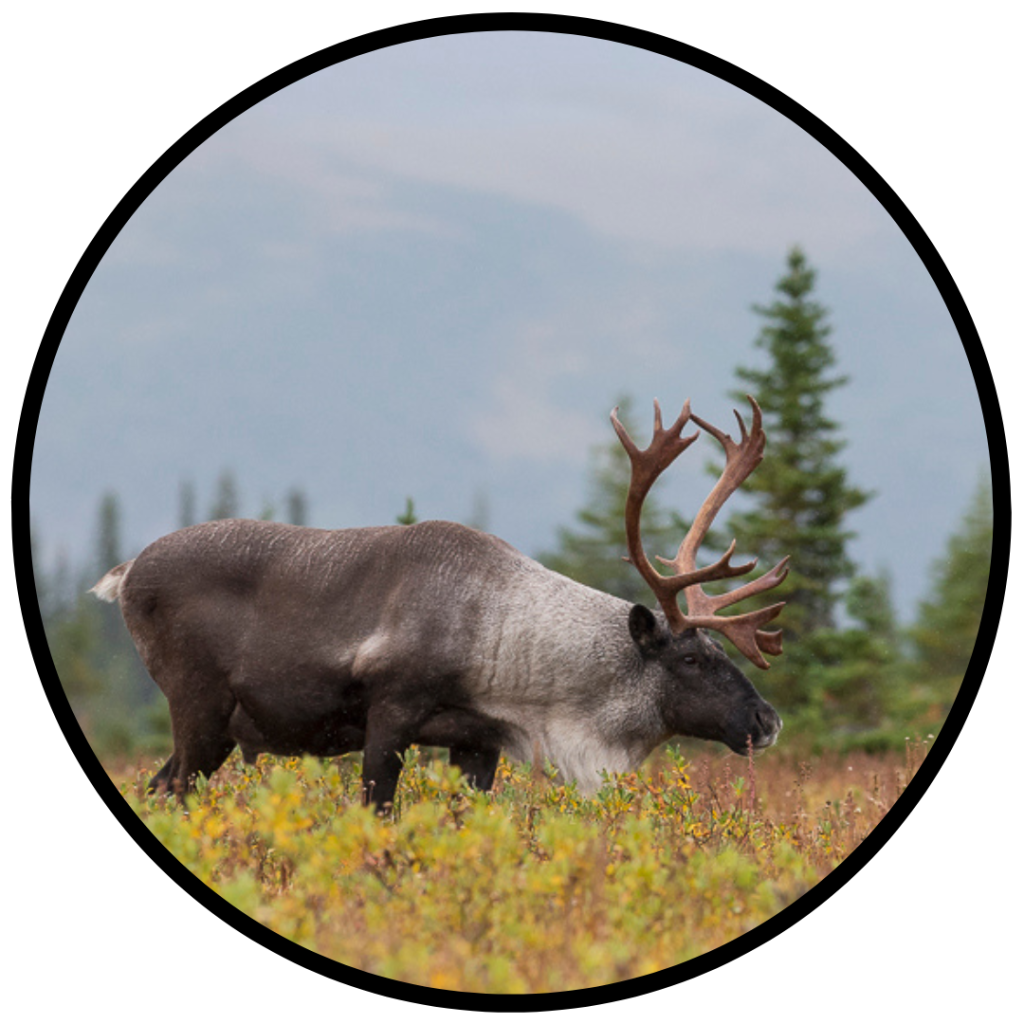
This session is designed as a “species report card” for Alberta, providing concise updates on current management and conservation actions for selected species and the efficacy of those actions.  Through short presentations and audience engagement, we’ll explore important topics related to caribou, trout, and furbearers, and discuss priorities and paths forward.

Please click on each species photo to read the abstract and speaker bio.
Sponsorship Opportunities: Elevate Your Organization at Our Conference!

We are excited to invite your esteemed company to become a valued sponsor for our upcoming conference. Your support will not only help us deliver a successful event but also provide your organization with a unique platform for visibility and engagement with a diverse audience of industry professionals. We offer a variety of sponsorship packages to suit your needs and can tailor opportunities to align with your organization’s goals and values. 

To view our Sponsorship Brochure, please click here.

Here are some key highlights of our conference sponsorship opportunities:

Complimentary Conference Registrations: Sponsors will receive complimentary memberships to our organizations, free conference registrations, and various other benefits tailored to meet your organizational goals.

Prominent Recognition: Sponsors will receive prominent recognition on our conference marketing materials, on our official conference website (www.actws.ca/conference), and during the conference, to ensure that your organization’s commitment to wildlife conservation reaches a broad and engaged audience.

Engagement Opportunities: You will have the opportunity to host live exhibitor booths, providing direct engagement with conference attendees, including wildlife professionals, students, and researchers from across Canada.

Student Scholarships: High-level sponsors will have the honor of personally rewarding well-deserving students with scholarships during the conference banquet, fostering the next generation of wildlife leaders.

Workshop Presentation: High-level sponsors may also have the opportunity to present a workshop to showcase your products or work, further enhancing your visibility and connections with participants.

To explore sponsorship options and discuss the benefits, please contact us at sponsorship@actws.ca. We look forward to the opportunity to work together and make this conference an outstanding success.

Thursday, February 26, 7:00 – 9:00 pm. at Rose and Crown (202 Banff Ave)

Cost: Free! Be sure to arrive early to grab a good seat! 

Title: Southern Alberta Grizzly Bears: Challenges and Coexistence from the Mountains to the Prairies

Abstract: Southwestern Alberta is where the mountains meet the prairies. Here, there is a significant overlap between grizzly bear home ranges and rural communities. Public lands in southwestern Alberta are limited and insufficient in spatial extent to support the high density of grizzly bears that live here. Consequently, private lands are an important component of grizzly bear habitat in this region. Southwestern Alberta has been a provincial hotspot of human-bear conflicts; it is also a region of the province where grizzly bears now exist well outside of provincial bear management area (BMA) boundaries. The primary conflicts with grizzly bears include depredation of livestock, damage to stored crops, and access to a variety of attractants including dead livestock. Human safety is also a community concern. These challenges are not unique to southwestern Alberta. However, the farmers and ranchers within this region have repeatedly demonstrated their willingness to find ways to share the landscape with large carnivores and have worked together with other partners to form a community-driven response to human-bear conflicts. Positively, the Waterton Biosphere Region’s Carnivores and Communities Program (CACP) has been working in the area since 2009 and has become a North American leader for community-led attractant management projects that help bears and people share the landscape. The CACP has four main on-the-ground components to their work including cost-shared attractant management projects, deadstock removal, bear safety workshops, and capacity building and outreach. In my presentation, I will discuss what we know about bears and other large carnivores in the area, the challenges associated with living with grizzly bears, the development of the community-based landowner-driven CACP, the implementation of the CACP’s conflict mitigation strategies, and an evaluation of the program’s effectiveness – including a discussion of both ecological and social factors.
 
Bio: Andrea Morehouse is an independent scientist who works on a variety of conservation and management issues related to carnivores in multi-use landscapes. She moved to Alberta in 2007 and completed both an M.Sc. and Ph.D. in ecology at the University of Alberta. Through her research, she strives to effectively engage scientists, managers, and community members to develop and implement scientifically sound and socially workable wildlife conservation and management strategies. She works with the Waterton Biosphere Region as the Science Lead of their Carnivores and Communities Program. She is a 2017 Wilburforce Fellow in Conservation Science; serves on the IUCN Bear Specialist Group’s North American Bear Expert Team; is a past president of the Alberta Chapter of The Wildlife Society and a past board member of the Canadian Section of The Wildlife Society; and is active in other professional organizations. She lives in the Pincher Creek area with her husband and three boys.

The call for oral presentations for the 2025 ACTWS Conference has officially closed, but there’s still an opportunity to showcase your work! We have extended the deadline for poster abstract submissions. The submission portal will remain open until February 1st, 2025, or until all spaces are filled.

Submit your poster abstract as soon as possible to secure your spot. Presentations on all aspects of wildlife are welcome including ecology, management, research, monitoring, species biology, genetics, and new techniques.

Poster Session Details
The poster session will take place on Saturday afternoon and evening and is open to all conference participants.

Abstract Requirements
Please ensure your submission includes the following:

  • Lead author name, affiliation, mailing address, phone number(s), and e-mail address
  • Names and affiliations of additional authors
  • Title of abstract
  • A concise summary of the purpose, methods, results, and conclusions (250 words max)

The abstract you submit will be the final version printed in the program booklet, so please review it carefully before submission.

The conference agenda, including scheduled talks, will be released on February 7th, 2025.

Student Opportunities
Monetary awards are available for all presentation types, including posters and travel to the conference. Don’t miss this chance to gain recognition for your work! For more details, visit our Awards page.

We look forward to seeing your research at the conference!

FIELD TRIP & MEET-UPS

March 7, 2024, 10a.m. to 2p.m., meet at the Royal Tyrrell Museum.

Join us for an exciting field trip to the world-renowned Royal Tyrrell Museum, home to one of the most impressive fossil collections in Canada! Explore the rich history of prehistoric life and marvel at the incredible displays of dinosaurs and ancient creatures.

As part of this visit, you’ll experience the Scary Specimen Program, a thrilling 45-minute presentation featuring some of the museum’s most intimidating fossils. You’ll come face-to-face with a crocodile skull the size of a Smart car, the largest dinosaur claw ever discovered, and a creature with teeth bigger than a T. rex! A museum science educator will guide you through these awe-inspiring specimens and answer your questions in an engaging Q&A session.

Lunch is included, giving you time to relax and discuss the fascinating discoveries of the day. Don’t miss this opportunity to dive into the prehistoric past and uncover the mysteries of Alberta’s ancient world!

Cost: $55 (price includes your museum admission, the scary specimens program, and lunch).

Join Us in Shaping Our Annual Conference: Call for Volunteers!

We’re excited to invite passionate individuals like you to join our team in planning our upcoming annual conference. This is a fantastic opportunity to be part of a dynamic group and make a significant impact on the success of our event.

We have a range of roles available, from planning captivating plenary sessions to coordinating memorable field trips and assisting in judging student presentations. Your unique skills and expertise can help shape an unforgettable conference experience for our members.

If you’re interested in getting involved and contributing to this event, please reach out to our Executive Director at execdirector@actws.ca, who will provide you with more details on available positions and how you can become an essential part of our conference planning team.

Notes:

A one-year regular Alberta Chapter of The Wildlife Society (ACTWS) membership is $20.76, and $5.42 for students. Please login or purchase a membership to obtain member registration rates.

If you are interested in becoming a Canadian Section of The Wildlife Society (CSTWS) member, a regular one-year membership is $20, and $10 for students. You can purchase your membership here

The primary cost associated with hosting our annual conference is catering. Your registration fee covers a package that includes five coffee/snack breaks over the weekend, as well as lunch, hors d’oeuvres, and dinner on Saturday.

SPONSORS

Conference Program

The complete conference program is available above, but here are the concurrent sessions we’ve got planned for March 18:

  • Landscape disturbance
  • The birds and the bears
  • Methods in wildlife research and monitoring
  • Ungulates
  • Creatures of the night
  • Grasslands
  • Wildlife Disease


We’ve also got two panel discussions with pre-recorded presentations available for conference participants:

  • Human-wildlife conflict
  • Social science research and considerations in wildlife management
 
The whole day will be bookended by engaging opening and closing ceremonies that you won’t want to miss!


Conference Week Agenda

Although the main conference is on March 18, we’ve got events all week leading up to the big day. All of the below events are free to attend, even if you’re not attending the main conference on the 18th.

Committee Meetings

Full information and links to register.
Monday March 14 – Education and Outreach Committee (12-1pm)
Tuesday March 15 – Equity, Diversity, and Inclusion Committee (1145am – 115pm)
Wednesday March 16 – Conservation Affairs Committee (1145a – 115pm)

Networking Events

Tuesday March 15 – Student and Pros Happy Hour (4-5pm). This is a great time to pick the brains of your fellow wildlifers for career advice and perspective. Whether you’re a pro or a student, we can all learn from each other. Sign up by emailing our student director, Phil, at student@actws.ca.

Wednesday March 16 – Wildlife Jeopardy (7-8pm). Show off your mad wildlife skills and have a little fun. Grab a glass of your favourite beverage and your wildlife friends for an hour of wildlife trivia designed to pick your brain, make you laugh, and help you meet new people. Register here.

Annual General Meeting and Awards Ceremony

March 17, 4:30pm – 6:30pm

Our Annual General Meeting (AGM) is open to everyone with an interest in hearing what we’ve been up to in 2021 and what we have planned for 2022. This year, we’ll complete our AGM with our professional and student awards ceremony.  Details here.

Public talk and live auction

March 17, 7:30pm – 9:00 pm

Each year, we host a public talk that shares cutting edge research about Alberta wildlife. This year, we are so happy to have Dr. Jason Fisher sharing decades worth of work about wolverines from around the world. We know so little about wolverines and what we need to do to conserve them – or do we? Join us to find out!

This year, we’re also featuring Matt Besko in a live auction to kick start the evening. Matt will be auctioning off a trip exploring an Alberta trapline, two day passes for the Canmore folk festival, and a surprise item that will get you gleefully opening your wallets! All funds raised from the auction go towards student awards, supporting the next generation of wildlifers in Alberta.
Details and registration link here.

WORKSHOPS

Please click on the workshop poster to learn more.
Equity, Diversity, and Inclusion Panelists

Please click on each panelist’s photo to read their bio.

Lorem ipsum dolor sit amet, consectetur adipiscing elit. Ut elit tellus, luctus nec ullamcorper mattis, pulvinar dapibus leo.

ANNUAL GENERAL MEETINGS

ACTWS Annual General Meeting

When: Friday, March 8th, 6:00 – 7:00 pm; Where: Sawridge Ballroom A

CSTWS Annual General Meeting

When: Sunday, March 10th, 1:30 – 2:30 pm; Where: Sawridge Ballroom

Join us for an engaging discussion on the ACTWS & CSTWS activities over the past year and discover exciting plans for the upcoming year. We encourage all members to attend and actively participate in shaping the future of our organizations. Your insights and contributions are essential as we reflect on our achievements and set the course for the year ahead.

The Bison Cultural Study, From Reintroduction to Reconciliation

Presented by William (Bill) Snow

The Bison Cultural Study is about returning a culturally important species to a culturally important landscape. The Plains Bison, or Tatanga, is a part of our origin stories, our ceremonies, our understanding of the world; including its past, present and future. The Bison Cultural study utilizes an Indigenous methodology, “Biculturalism” and an Indigenous process, “Cultural Monitoring” to combine Western Science and Traditional Knowledge, to bring forward knowledge that will add to our current understanding Bison history, cultural significance, and management. In this time of climate change, we hope to reconnect a keystone species to its landscape, while restoring a fractured relationship between Indigenous and non-Indigenous groups, in a process that may lead to meaningful reconciliation.
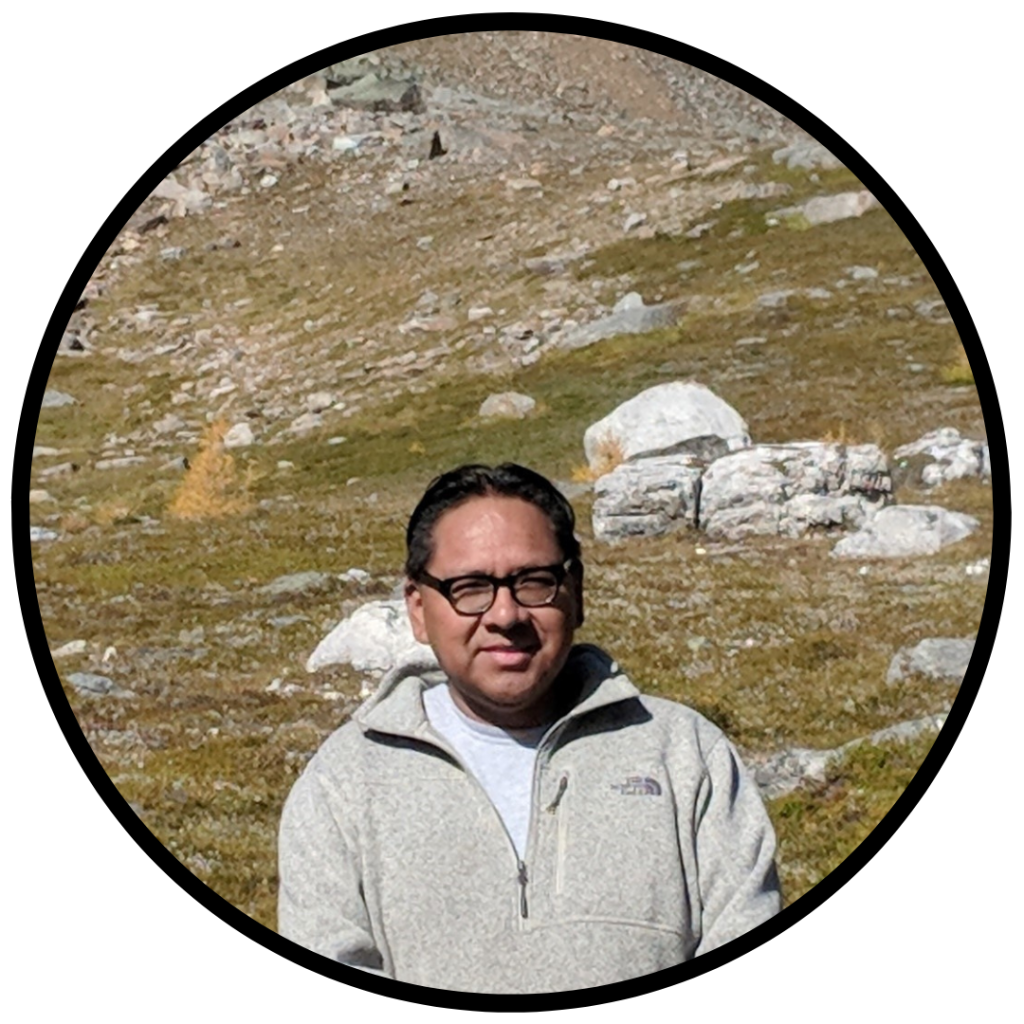
Presenter Bio: William (Bill) Snow is a member of the Goodstoney First Nation of the Stoney Nakoda Nations, and is the Acting Director of Consultation at Stoney Tribal Administration. This work involves the assessment of industrial resource projects within Stoney Nakoda Traditional Territory, of Southern Alberta, that involve consultations with government and industry.

Bill is a graduate of the University of Lethbridge – Business Administration, and since 2012, Bill has been an advisor & presenter for the University of Alberta “Thinking Mountains” Conference, the “Mountains 101” online program, and Canadian Mountain Network initiative. In 2018, Bill became a “Director at Large” with Canadian Wildlife Federation, and is currently the Chair of the Indigenous Relations Committee. In 2022, Bill helped to complete the “Bison Cultural Study” that offers Traditional Knowledge regarding the Bison Reintroduction to Banff National Park, as well as the Bison Cultural Study video that was completed in 2023.

WILDFIRE PANELISTS

Please click on each panelist’s photo to read their bio.
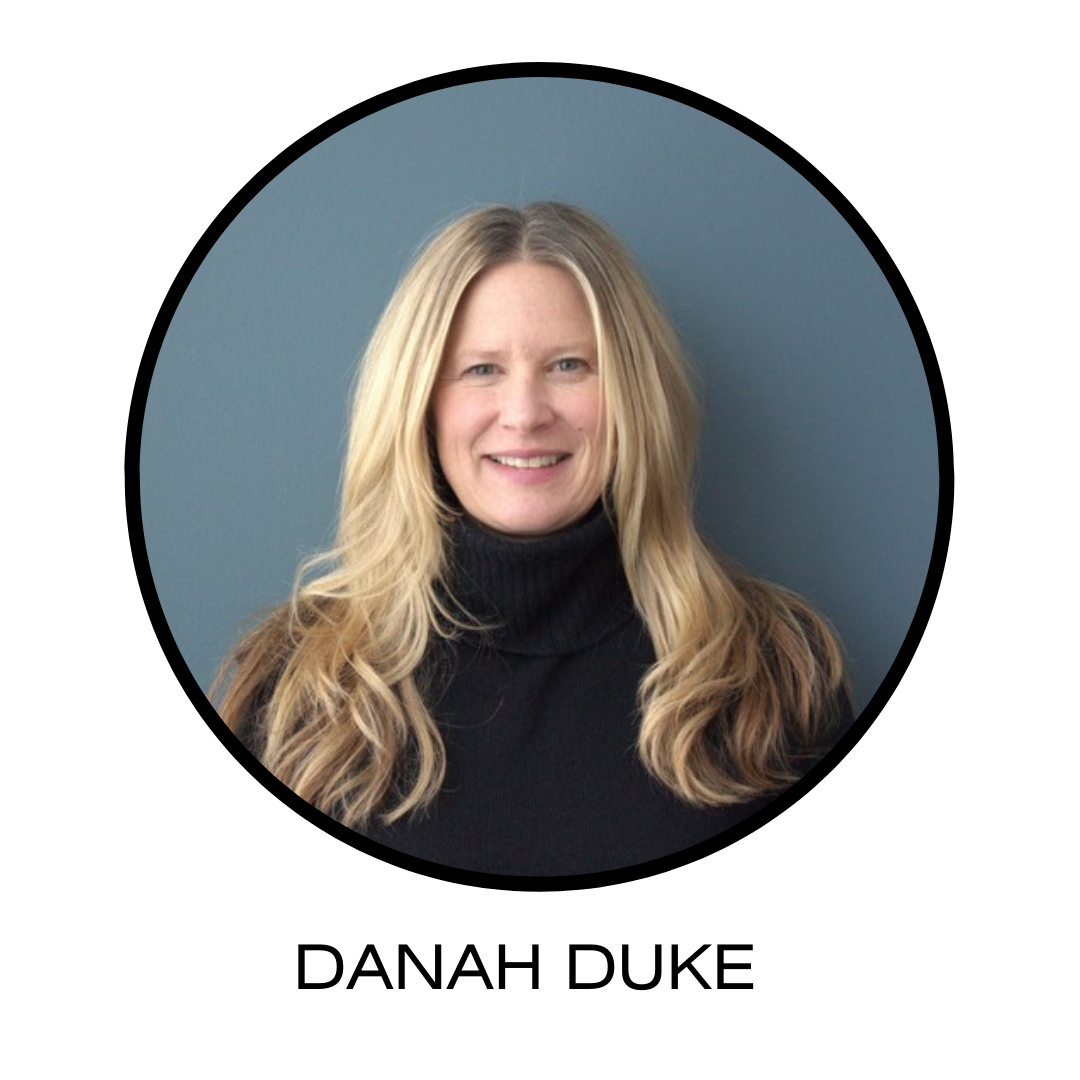
DANAH DUKE

Reconnecting the Rockies Alberta: Bridging Science and Management for Wildlife Connectivity

The Miistakis Institute applies a collaborative, solutions-oriented approach to conservation research that bridges the gap between science and on-the-ground management. Our work focuses on developing and applying practical, policy-relevant tools that help decision-makers, communities, and industry partners balance ecological integrity with human needs. The Reconnecting the Rockies – Alberta project exemplifies this approach. Centered in southwestern Alberta, this collaborative initiative is improving wildlife movement and ecological connectivity in one of the province’s most critical and fragmented landscapes. Working alongside Alberta Environment and Protected Areas, Miistakis, together with Nature Conservancy Canada and Biodiversity Pathways, is supporting the design and evaluation of an ambitious wildlife collision reduction system along Highway 3—one of Alberta’s busiest wildlife-vehicle conflict zones. Using remote cameras and GPS collaring of grizzly bears, elk, deer, we are monitoring pre- and post-construction wildlife movement to refine mitigation design and inform management decisions. Beyond infrastructure, the project integrates corridor mapping, policy development, and public engagement to advance connectivity conservation across the region. Together, these efforts demonstrate how applied conservation science can inform management, shape policy, and deliver tangible benefits for both people and wildlife.

Bio: Danah Duke is the Executive Director of the Miistakis Institute, where she leads an interdisciplinary team dedicated to advancing applied conservation research and translating science into practical solutions for land and resource management. With over two decades of experience in conservation science, Danah has built a career focused on bridging the gap between research and real-world decision-making. Under her leadership, Miistakis has become a trusted partner to governments, NGOs, and communities seeking evidence-based strategies to address complex environmental challenges. Her work emphasizes collaboration, co-creation, and the integration of scientific knowledge into policy and planning to improve outcomes for both people and nature. Danah’s expertise spans ecological connectivity, wildlife movement, landscape conservation, human–wildlife coexistence and citizen science. Danah holds a M.Sc. in Environmental Biology and Ecology from the University of Alberta.

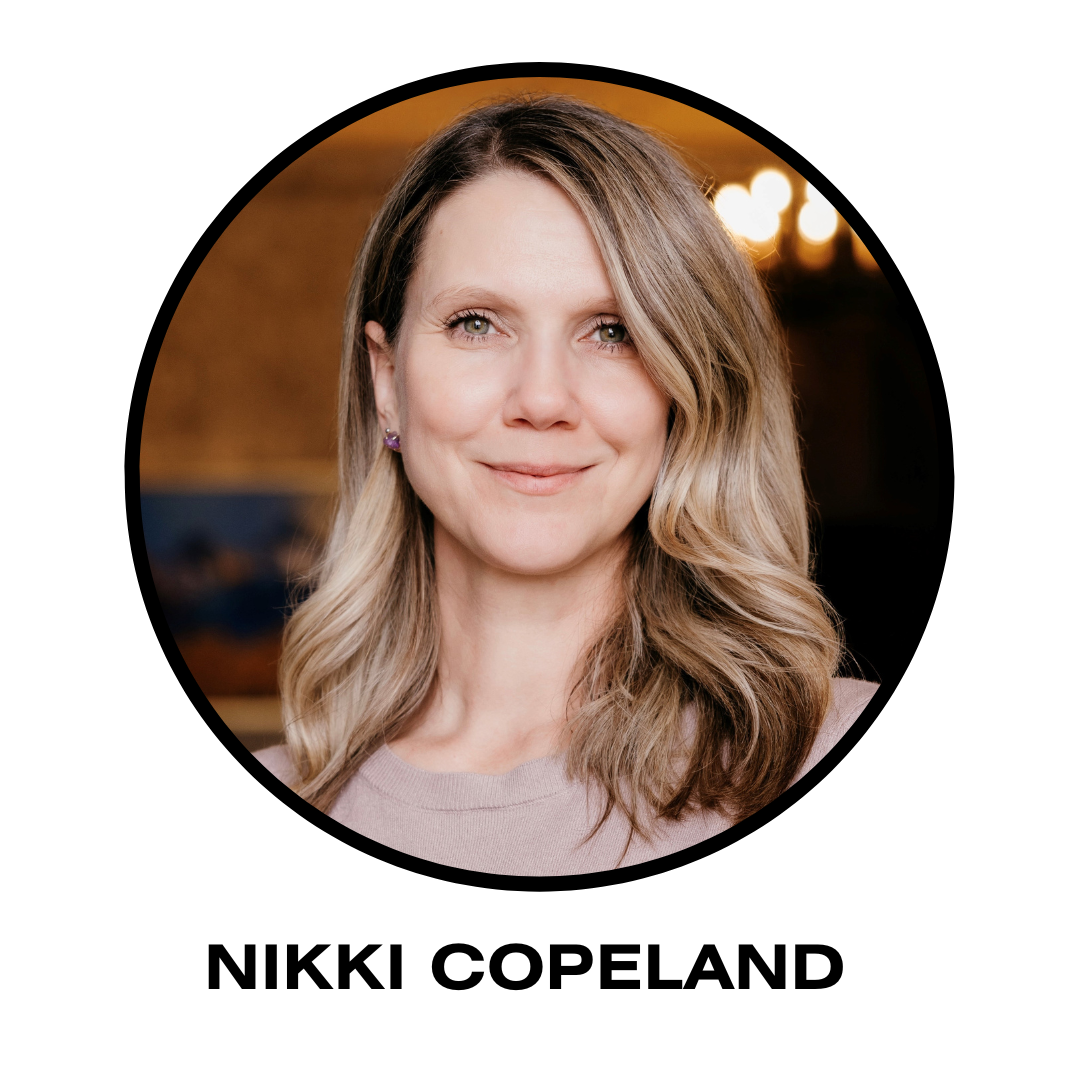
Nikki Copeland

Wings, Wires and Collaboration: The Evolution of Avian Protection Plans in Canada

Abstract:Effective wildlife management in industrial settings requires collaboration between science, government, and industry. This presentation explores the development of Canada’s first Avian Protection Plan (APP) at AltaLink, an initiative that has since become a national standard for electric utilities. We’ll examine the process of translating science into operational practice, securing buy-in from management and operational teams, and demonstrating how environmental programs such as APPs can enhance company performance. The APP’s success highlights the power of partnerships and the critical role of science in shaping practical, scalable solutions for wildlife protection.

Bio: Nikki Copeland is a Senior Environmental Advisor with AltaLink and currently serves as President of the Alberta Society of Professional Biologists (ASPB). With over two decades of experience in environmental science and wildlife biology, Nikki has dedicated much of her career to understanding and mitigating avian interactions with electrical infrastructure. She led the development and implementation of Canada’s first Avian Protection Plan and continues to champion innovative approaches to wildlife management and environmental stewardship. Nikki is passionate about fostering collaboration within the professional biology community and sharing practical solutions that balance ecological integrity with operational needs.

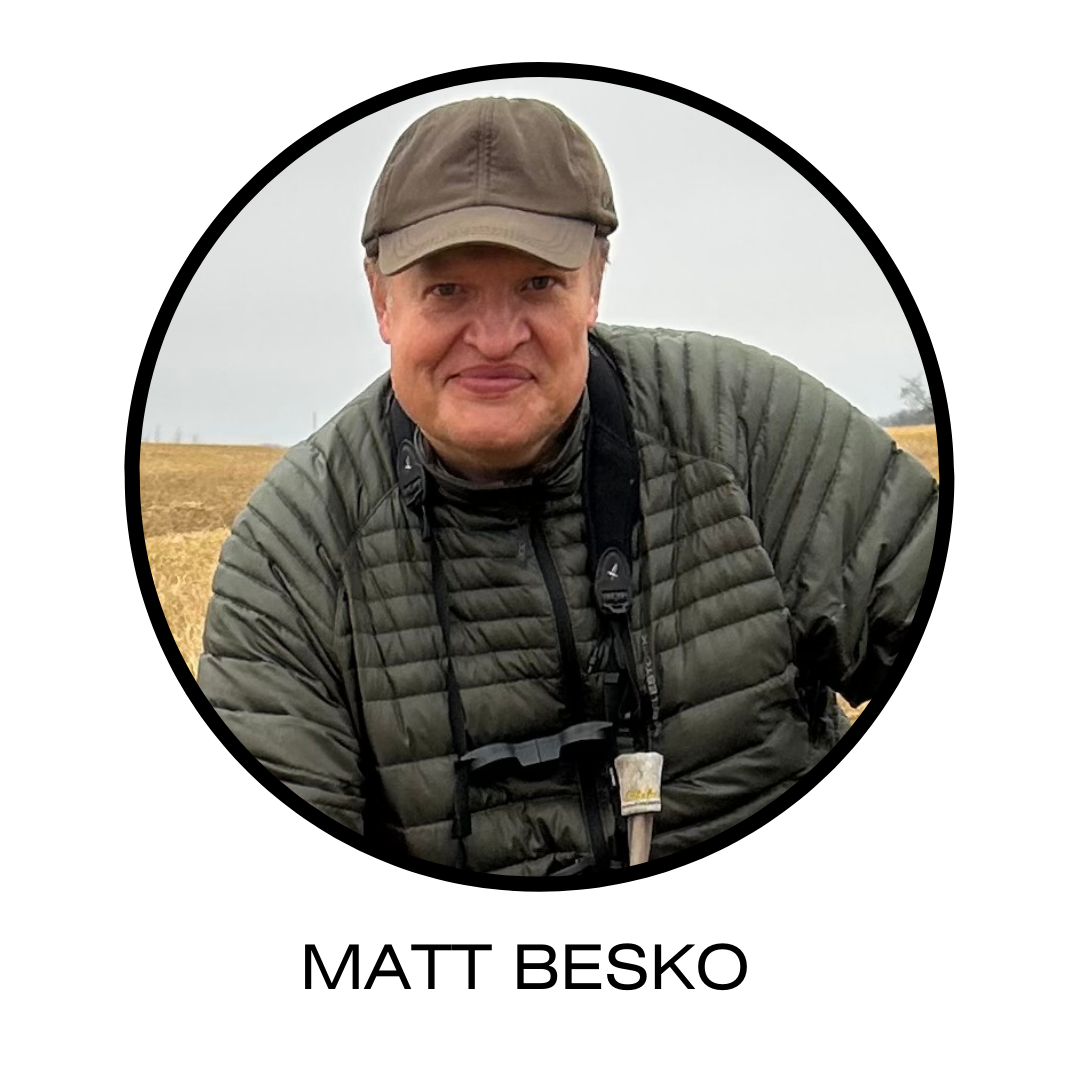
Matt Besko

“Trust Me, I’m a Biologist………”

Statutory Decision Making for Wildlife Management and Allocation – How Government integrates Science into the Complex World of Competing Interests for Regulation and Policy

In Canada, Governments are tasked with the stewardship, allocation and management of wildlife and fisheries as in-trust resources for the broader Public. Alberta Regulators and Statutory Decision Makers are required to make difficult choices on ‘wicked problems” with legal, ecological, social and economic consequences. Science in of itself is not a decision-making process or entity; rather, it is a fundamental element of process describing cause, correlation, risk, consequence and outcome of a change or decision to a system within a defined confidence interval. We often assume that science is a tool to describe the effects of a decision on the ecological variables of interest, but it may also be applied as a method to describe the outcome and dynamics of economic and social variables. It is then important to apply science judiciously to constructs and consequences of decisions, and most importantly as a tool rather than an answer itself,  while also describing social, spiritual, economic, cultural and political factors which influence desired outcomes. The question then becomes that of evaluating and comparing risks to conservation versus risks to other variables of interest, and weighing the consequences of decisions relating to issues such as the sustainability of caribou populations versus the obligation to conserve moose populations for Indigenous use.
 
Bio: Matt Besko is the Executive Director of the Hunting and Fishing Branch within the Lands Operations Division in Alberta Forestry and Parks. He is tasked with the management, regulations and policies affecting wildlife and fisheries allocation and use, trapping, aquaculture, licenses and permits, as well as managing carnivores and human-wildlife co-existence. Matt has spent over 30 years working as wildlife, fisheries and habitat manager and biologist in 3 Provinces, and has a background in Forest Ecosystem Management, species-at-risk recovery, land-use planning, and the management and allocation of fish and game species. Matt’s professional interests are related to the philosophy of wildlife and fisheries use, the history of hunting and angling, policy development for natural resource management, and the ecological science of wildlife allocation and management. Matt enjoys hunting, fishing, reading, cooking, writing about wildlife, public speaking, all types of immature slapstick humour, and eating. Especially eating. Then eating some more followed by eating.

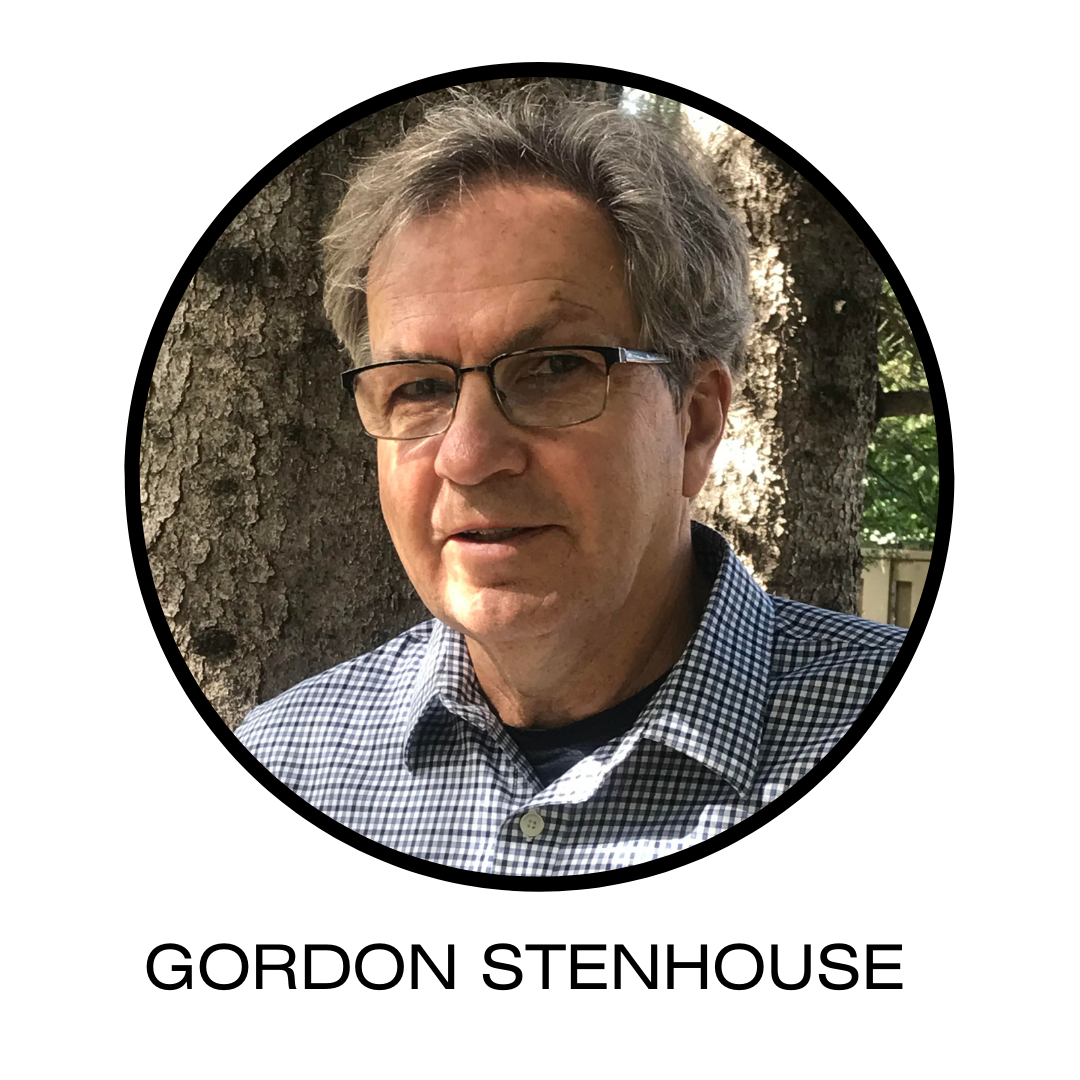
Gordon Stenhouse

Applied Grizzly Bear Research to Inform and Support Conservation and Management in Alberta (1999-2023)

Gordon Stenhouse, Research Scientist and fRI Research Grizzly Bear Program Leader (retired).

This presentation will focus on the achievements of, and challenges faced by the fRI Grizzly Bear Program over two decades of applied research in Alberta. Discussion of the evolution of the research questions within the program and the data needs of government management agencies fused to direct this long-term research program which resulted in a unique challenge for the research team. The important partnerships that were formed to support the program, and their evolution over the course of the research effort, will be shared along with the challenges that these presented. A summary of how the research findings affected current grizzly bear management, and the status of this species, in Alberta and how the tools that were developed and distributed as a key outcome of the program, are still in use today.

Bio: Gordon is a retired research scientist and the former leader of the Foothills Research Institute Grizzly Bear Research Program in Hinton, Alberta. This research program began in 1998 and ran for 23 years with over 180 published scientific papers from the research team working on this program. This program helped to support 52 graduate students from 6 different Canadian Universities and gathered $29 million from a variety of sources to support what has been the largest and most comprehensive grizzly bear research program in Alberta’s history. Gordon and his team was recently awarded an Alberta ASTECH award for team achievements and innovation for their decades of work on grizzly bears

Gordon was on secondment from the Alberta provincial government for a 23-year period while running the fRI grizzly bear program and was also an adjunct professor at the Western College of Veterinary Medicine at the University of Saskatchewan. He is also the past chairman of the Alberta Grizzly Bear Recovery Team and is currently an executive council member with the International Association for Bear Research and Management.

Gordon has studied both polar and grizzly bears for 39 years ….now more than half of his life. He now works as a private consultant on bear projects in a variety of locations in Canada.

 
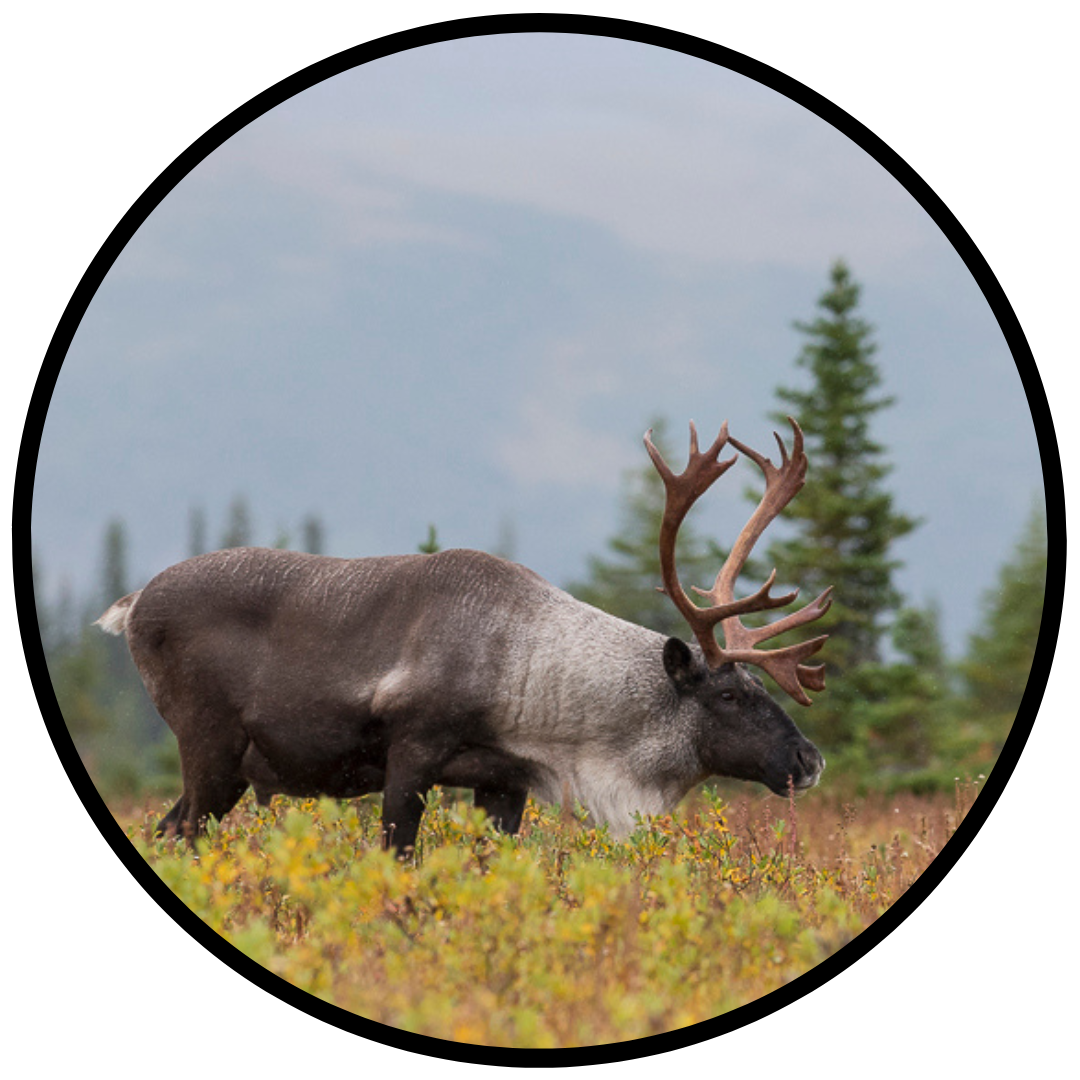
Woodland Caribou Conservation in Alberta: A review of the Alberta Government’s Performance in 2025
 
Abstract: There are 15 woodland caribou populations inhabiting provincial lands within Alberta. Trend information is monitored for each population by tracking the survival of 10 – 61 radio collared adult females and comparing it to female calf recruitment on an annual basis to calculate the rate of increase (lambda). Additionally, fecal DNA population estimates have been conducted on 11/15 populations since 2012.  Wolf control is ongoing in 9 of these woodland caribou ranges. In October 2020, the Government of Alberta (GOA) and the Government of Canada (GOC) signed the Agreement for the Conservation and Recovery of the Woodland Caribou in Alberta to facilitate woodland caribou recovery in Alberta (“Section 11” Agreement under the Federal Species at Risk Act). The Agreement stipulated that the GOA would develop 11 Sub-Regional Plans which would address habitat needs for all woodland caribou populations inhabiting provincial lands by 2025. One of the main goals of each plan was to demonstrate how the GOA would manage the range of each woodland caribou population to achieve a minimum of 65% undisturbed habitat and when that would be realized. By January 1, 2026, the GOA has completed 3 of the 11 plans and then revised 2 of these plans by amalgamating them with an adjacent population and releasing the new plans for public review in late December 2025.  Neither the finalized Upper Smoky Sub-Regional Plan nor the previously finalized and now revised Cold Lake (now amalgamated with Wandering River) or the Bistcho Sub-Regional Plans (now amalgamated with Chinchaga) contain any quantifiable metrics or reasonable strategies to achieve woodland caribou conservation within the next 100 years. Woodland caribou conservation in Alberta has reached an all-time low as the GOA has failed to address the terms of reference of their Section 11 Agreement with the Government of Canada and the commitments listed in Alberta’s Cabinet approved woodland caribou policy. 
 
Presenter Biosketch: Kirby Smitch is a retired wildlife biologist who worked 35 years for the Government of Alberta in west central Alberta. He holds a BSc and MSc, both from the University of Alberta. Since his retirement in 2010 he has worked as a consulting biologist primarily on woodland caribou and bighorn sheep. Kirby is a member of the ACTWS Conservation Affairs Committee and represents the chapter on woodland caribou conservation issues. He and his wife Katherine, live on land west of Edson along with their 2 golden retrievers, horses and mules. Kirby enjoys playing bass in a cover band in his spare time.
 
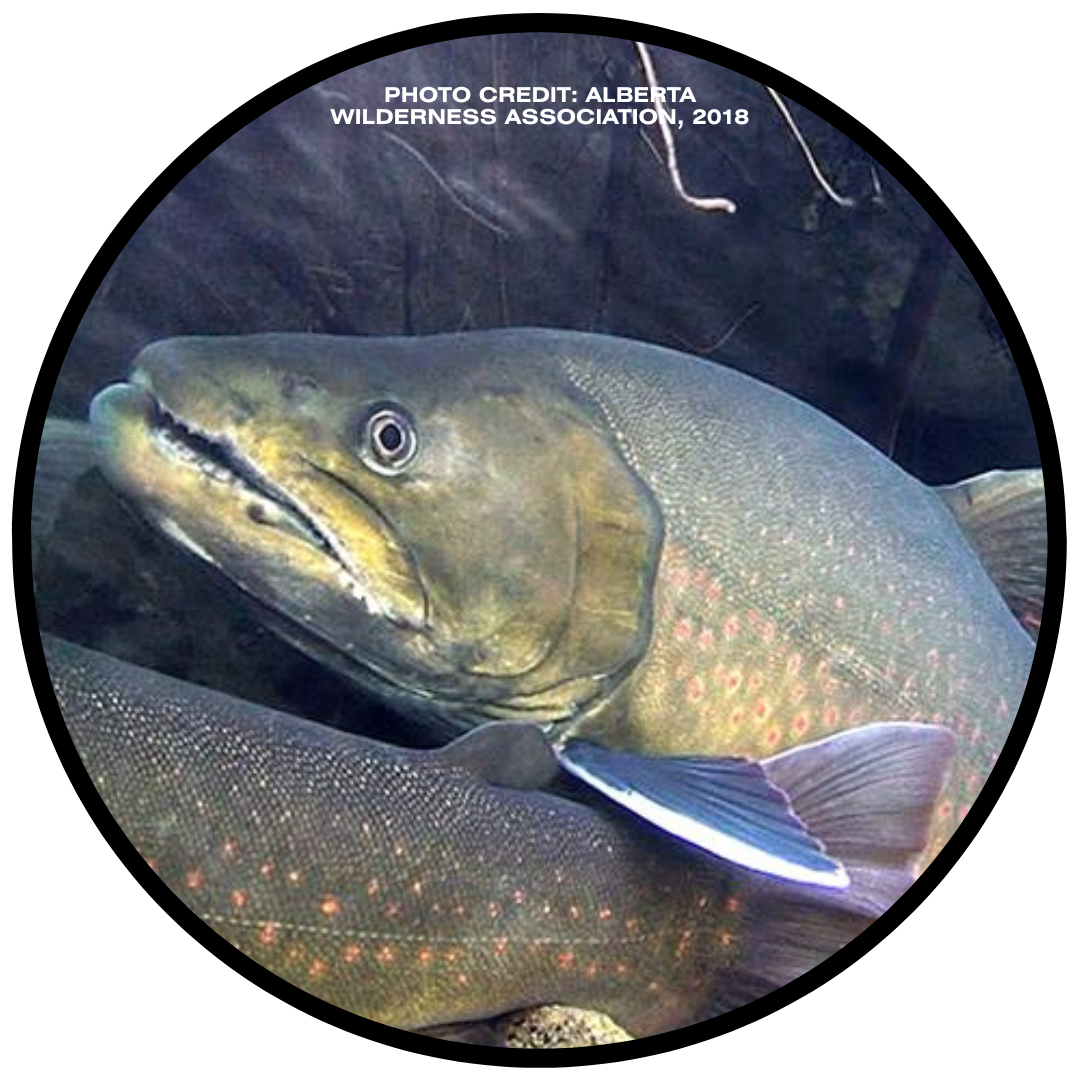
Native Trout: Up the Creek Because They’ve Been Sold Down the River?
 
Abstract: The presence, abundance, and distribution of native trout species are indicators, an ecological report card on how we manage the watersheds in which they exist. Every native trout species in Alberta is a species of concern or a species at risk. Populations have shrunk, some have disappeared, and recovery efforts are attempting to stem the negative tide. This presentation, from the Conservation Affairs Committee of the ACTWS, outlines some basic trout ecology, some historical biological benchmarks to ponder, and a summary of issues related to declines in trout populations. A review is made of some bright lights in recovery efforts, as well as instances of where the lights went out for some populations. This is a pivotal moment for native trout and their future status is not a cheery one.
 
Presenter Biosketch: Lorne Fitch has been a biologist for over 50 years, working on many issues related to use of land and water. Lorne is a professional biologist, a retired provincial Fish and Wildlife biologist, was one of the co-founders of the stewardship initiative Cows and Fish, and a former Adjunct Professor with the University of Calgary. Lethbridge is home, where he pens books, articles, and essays on issues related to Alberta’s landscape and critters. Books include Streams of Consequence, Travels Up the Creek, and Conservation Confidential.
 
Beyond the Ledger: Can Trapper Logbooks Strengthen Furbearer Monitoring and Research?
 
Abstract: Fur harvest records dating back to the 1600s represent some of the earliest written wildlife monitoring data in North America. Variation in harvest levels over time has been used to track long-term changes in population size and distribution, as well as shorter-term population cycles. While records based solely on harvest have provided valuable insights in the absence of other information, their utility in a modern context is increasingly limited, as factors unrelated to population abundance—such as fur prices, access constraints, and competing time demands—can significantly influence total harvest. To enhance monitoring capacity, Alberta Conservation Association was asked by the Alberta Trappers Association and Government of Alberta to assist with the development of a standardized logbook program that documents both harvest and trapper effort across registered traplines. Since 2018, participating trappers have voluntarily submitted annual records, initially for marten and later expanding to include lynx, fisher, otter, wolverine, and wolf. These detailed submissions enable calculation of catch‑per‑unit‑effort (CPUE) and other indicators useful for assessing harvest sustainability. Using marten, wolverine, and lynx data as case studies, I will evaluate the strengths of this data collection method, discuss limitations and opportunities for improvement, and explore the potential for trapper-generated data to contribute to broader ecological research. To date, the logbook program has proven effective at capturing basic trapping effort and harvest data, providing CPUE metrics for detecting coarse population trends for some species and geographic regions. However, improvements can still be made in terms of increasing sample sizes and data precision.
 
Presenter Biosketch: Robert Anderson lives with his family in Crowsnest Pass. He is currently the Manager of Alberta Conservation Association’s Land Program, but he maintains his interest and activity in furbearer research and monitoring. He attended his first ACTWS conference in Hinton as an undergraduate student in 1995, where Kirby Smith’s unique personality left an indelible impression on an aspiring biologist. 

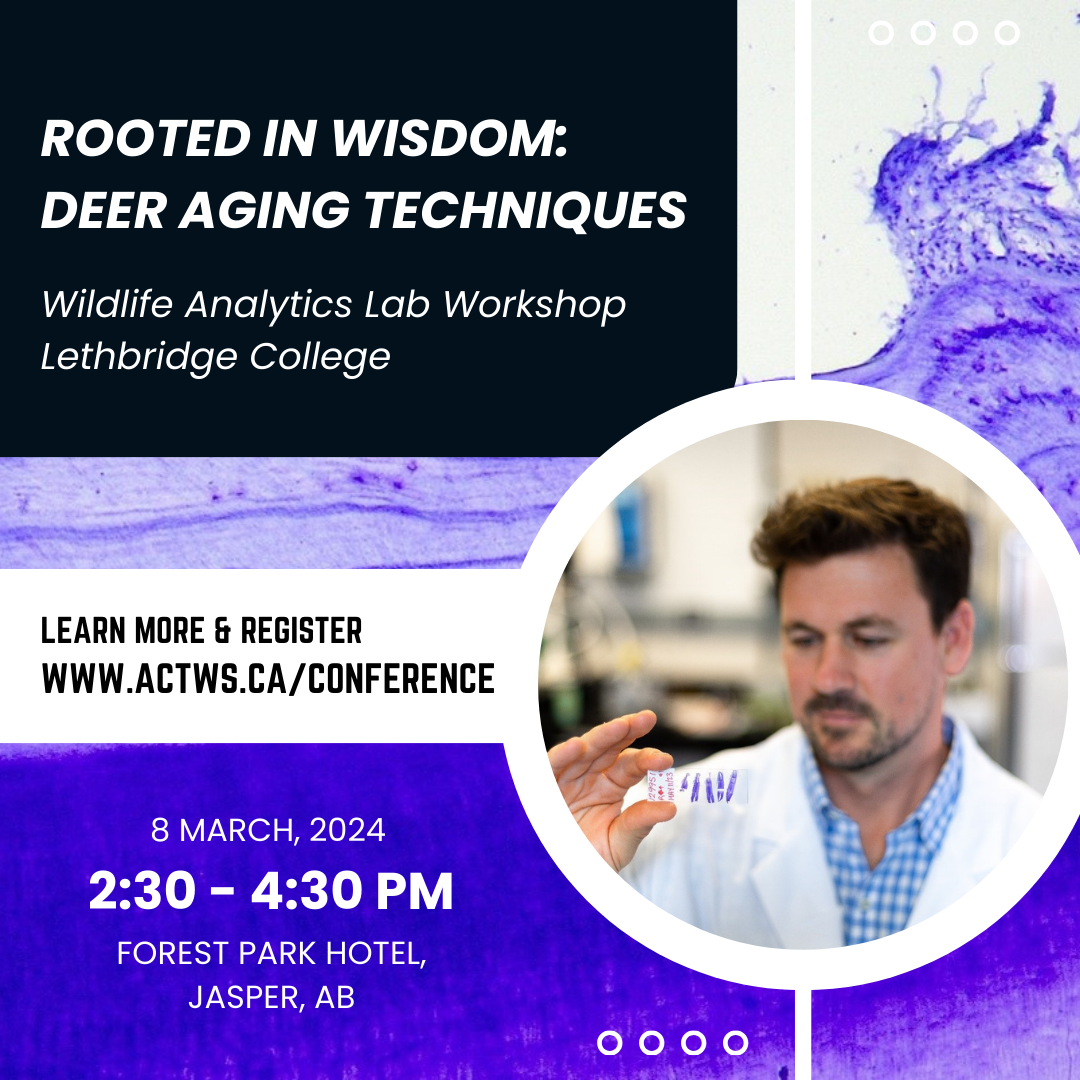
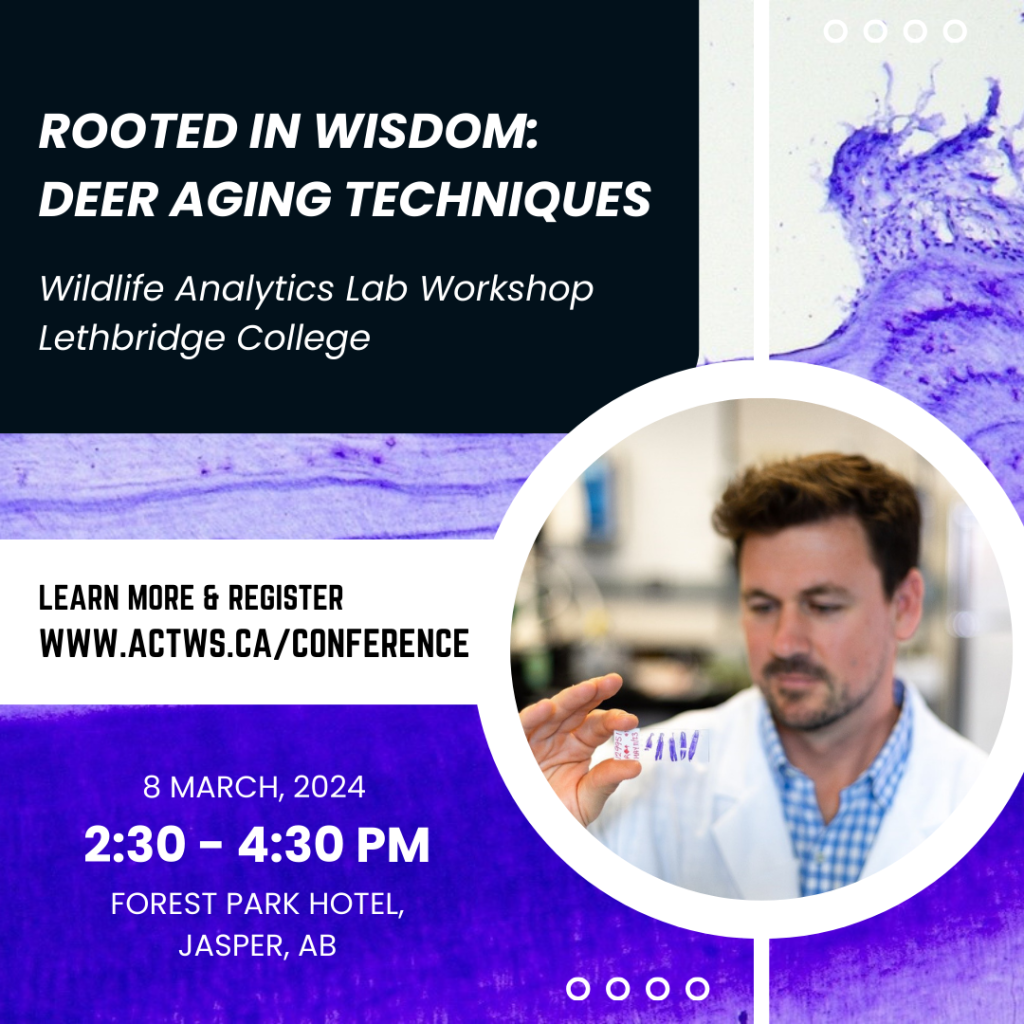
Rooted in Wisdom: Deer Aging Techniques

Embark on a journey of precision and insight with the Lethbridge College Wildlife Analytics Lab (WAL) at the ACTWS Conference in Jasper! Join our workshop, ‘Rooted in Wisdom: Deer Aging Techniques‘, to explore the secrets hidden within wildlife teeth. Explore both the field technique of ‘tooth eruption and wear’ and the laboratory marvel of ‘cementum analysis’ – both dedicated to unraveling the mysteries of ungulate ages. Delve into the heart of these techniques, comparing their accuracy and precision, with a revelation of the superior accuracy of cementum analysis. Learn the art of tooth extraction and witness the seamless process of submitting your own wildlife teeth to the WAL for aging through cementum analysis. Elevate your understanding of deer populations and contribute to the advancement of wildlife knowledge and bolster your resume with applied experience. Participants will gain hands-on familiarity with the field technique of jaw aging, and the lab process of tooth extraction, inspection, preparation, and cementum analysis. Join us in Jasper for a transformative experience at the intersection of field expertise and cutting-edge laboratory analysis!

Facilitated by the Wildlife Analytics Lab, Lethbridge College

Cost: $15.

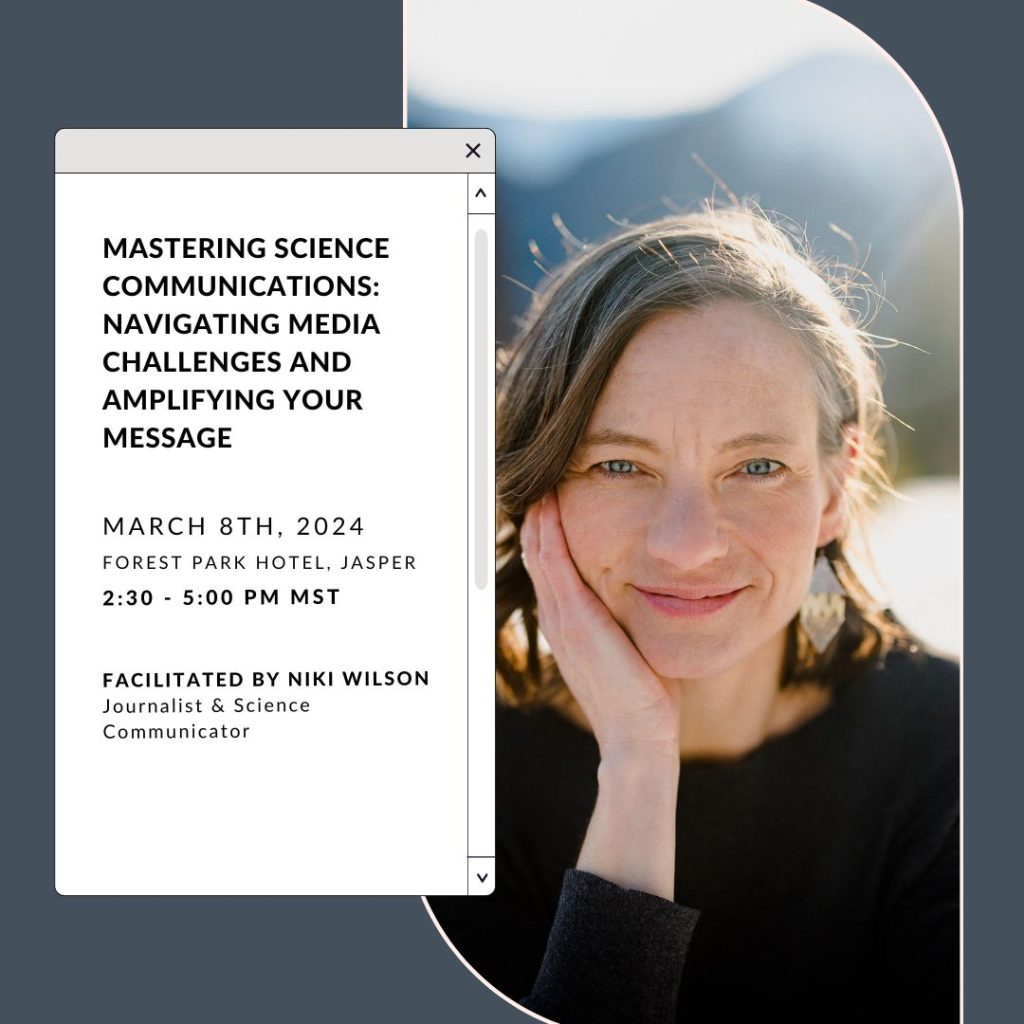
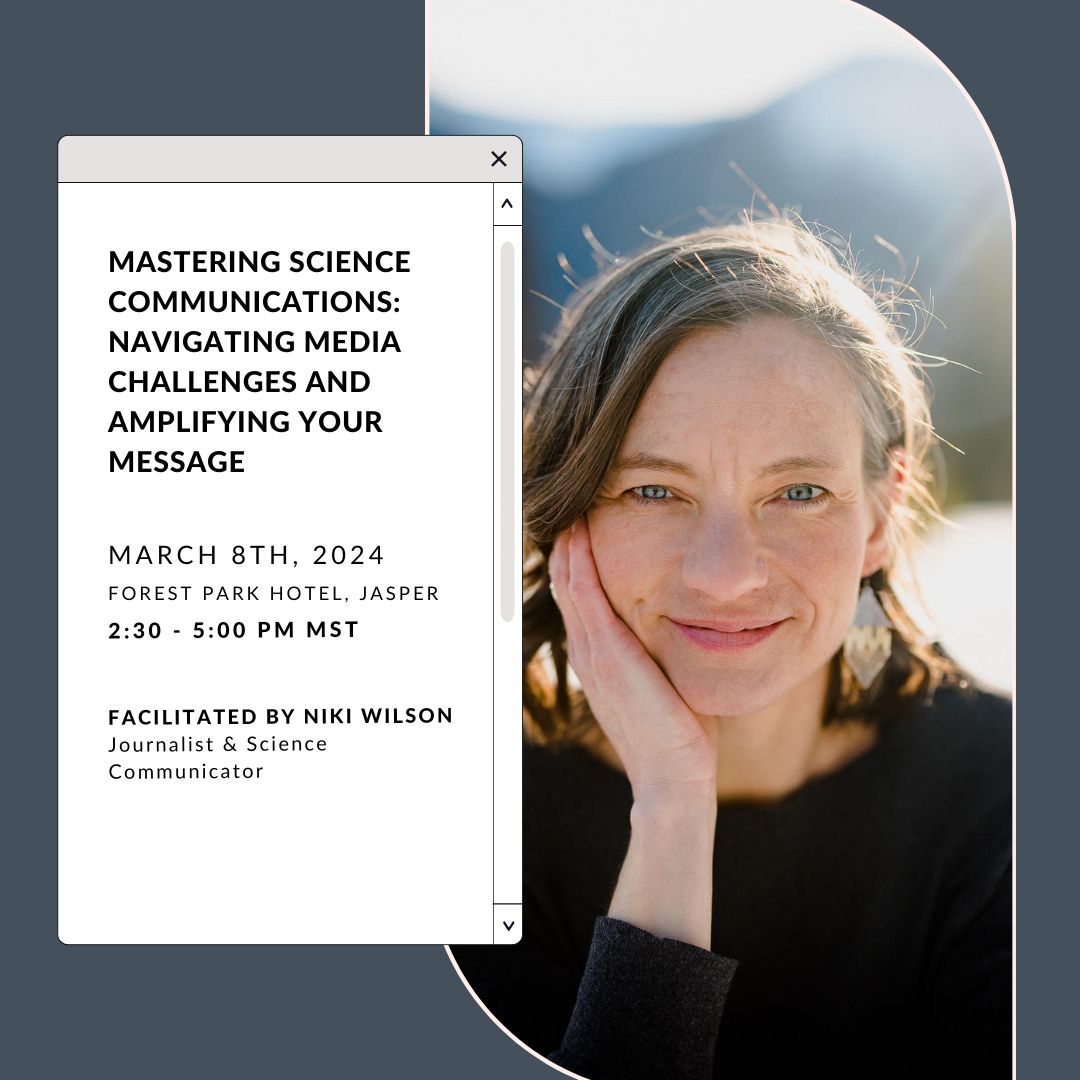
Mastering Science Communications: Navigating Media Challenges and Amplifying Your Message

Are you ready to level-up your media chops? Even amid recent declines in public support for both science and science journalism, there are still many things we can do to make it more likely our science stories are told. In this 2.5 hour, interactive science communications workshop, we’ll discuss the current state of the media, and why talking to media matters. We’ll learn about current norms in the journalism process, and how to prepare so that your media interviews are accurate and memorable. We’ll practice personalizing our science stories to capture attention in a noisy, polarized media landscape.

Facilitated by Niki Wilson, a journalist, science communicator, and the winner of the 2023 ACTWS Outreach Award.

Cost: $25

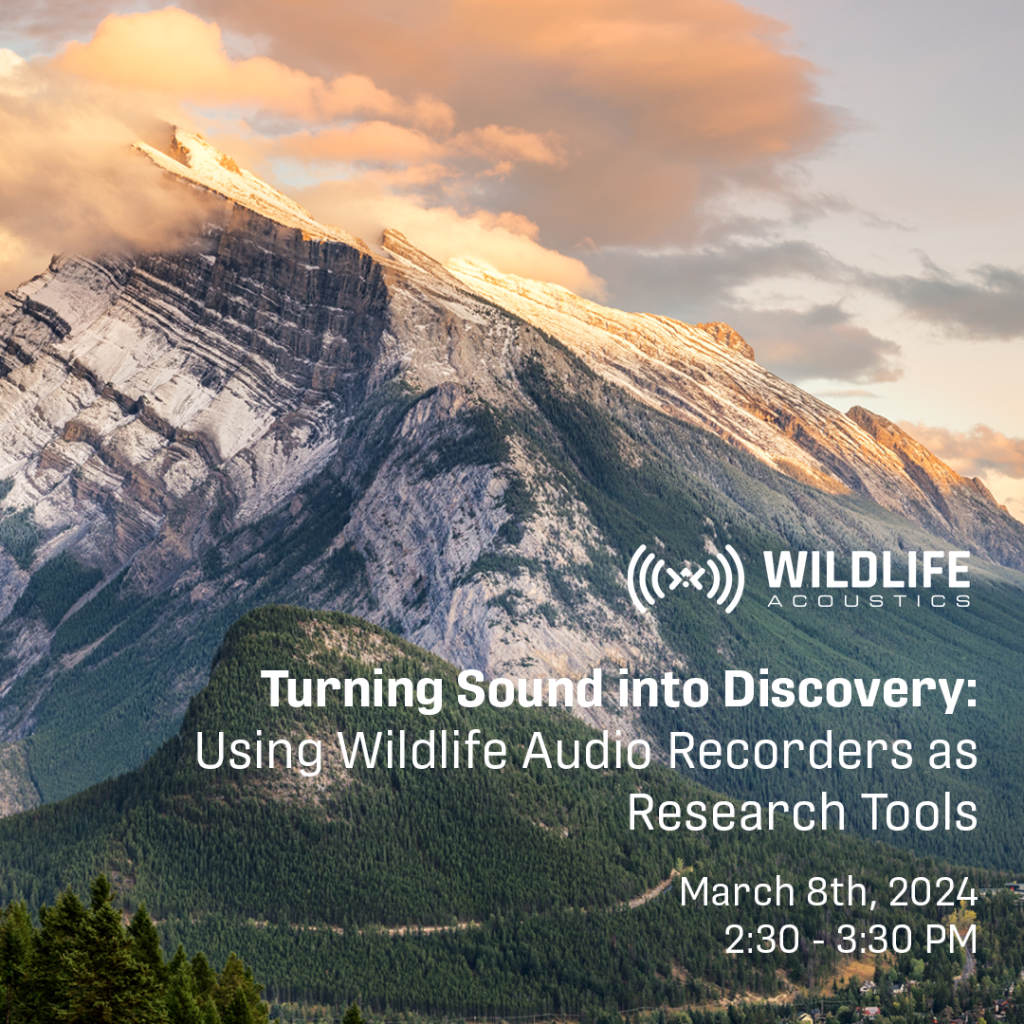
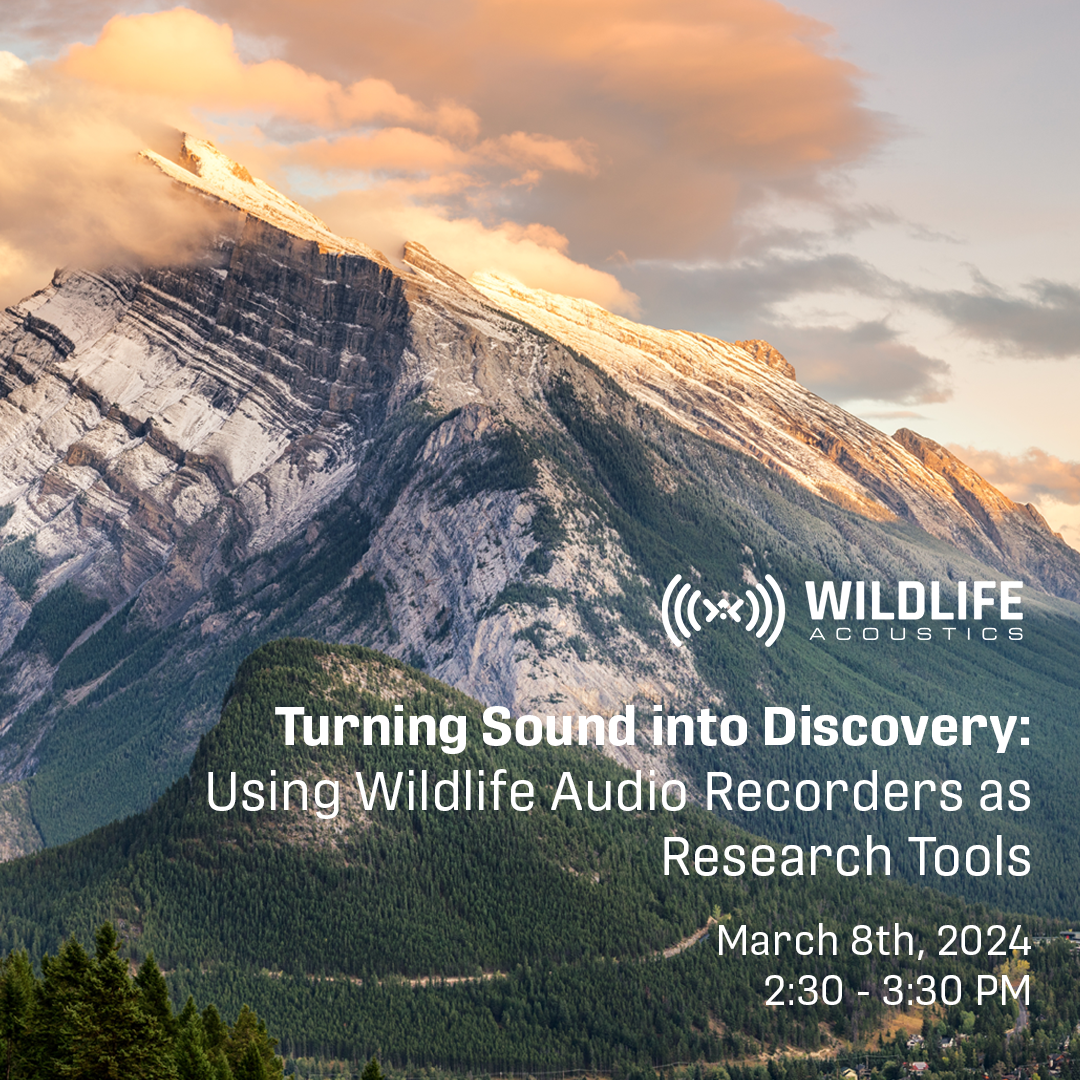
Wildlife Acoustics Workshop: Turning Sound into Discovery

Sound analysis is becoming an increasingly valuable tool for biologists, environmental scientists, and land managers to survey and monitor wildlife populations. It is currently used for resource management, habitat health assessment, regulatory compliance goals, animal behavior studies, and documenting the effects of climate change worldwide.

Wildlife audio recorders provide a reliable, noninvasive, cost-effective, and unbiased means to meet these objectives.

At this one-hour hands-on workshop, learn how to set up and use a Song Meter Micro passive acoustic recorder to gain critical insights into your area of focus. By the end, you’ll see why biologists have deployed 150,000 Song Meter recorders in over 90 countries.

Facilitated by Wildlife Acoustics.

Cost: Free

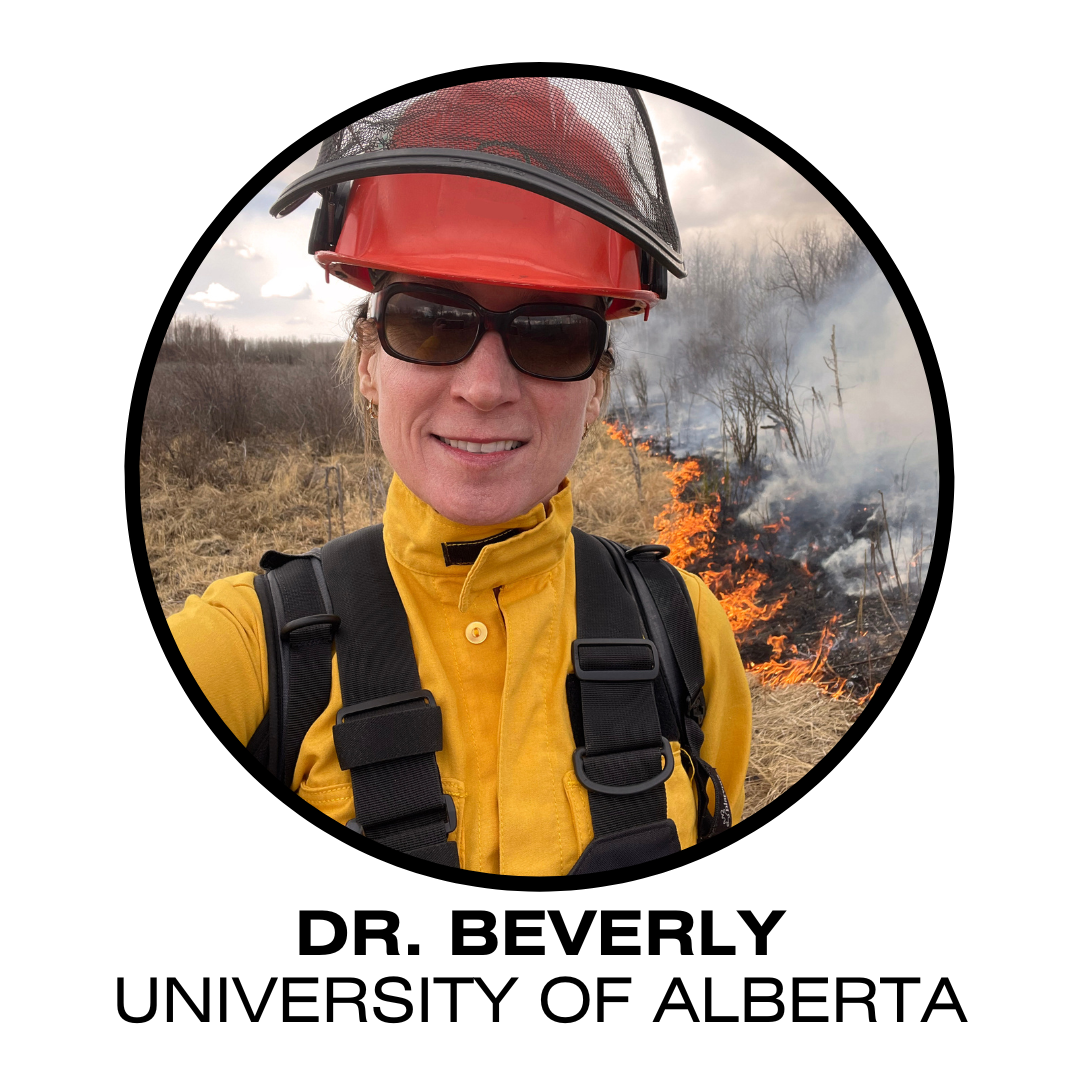
Dr. Jen Beverly

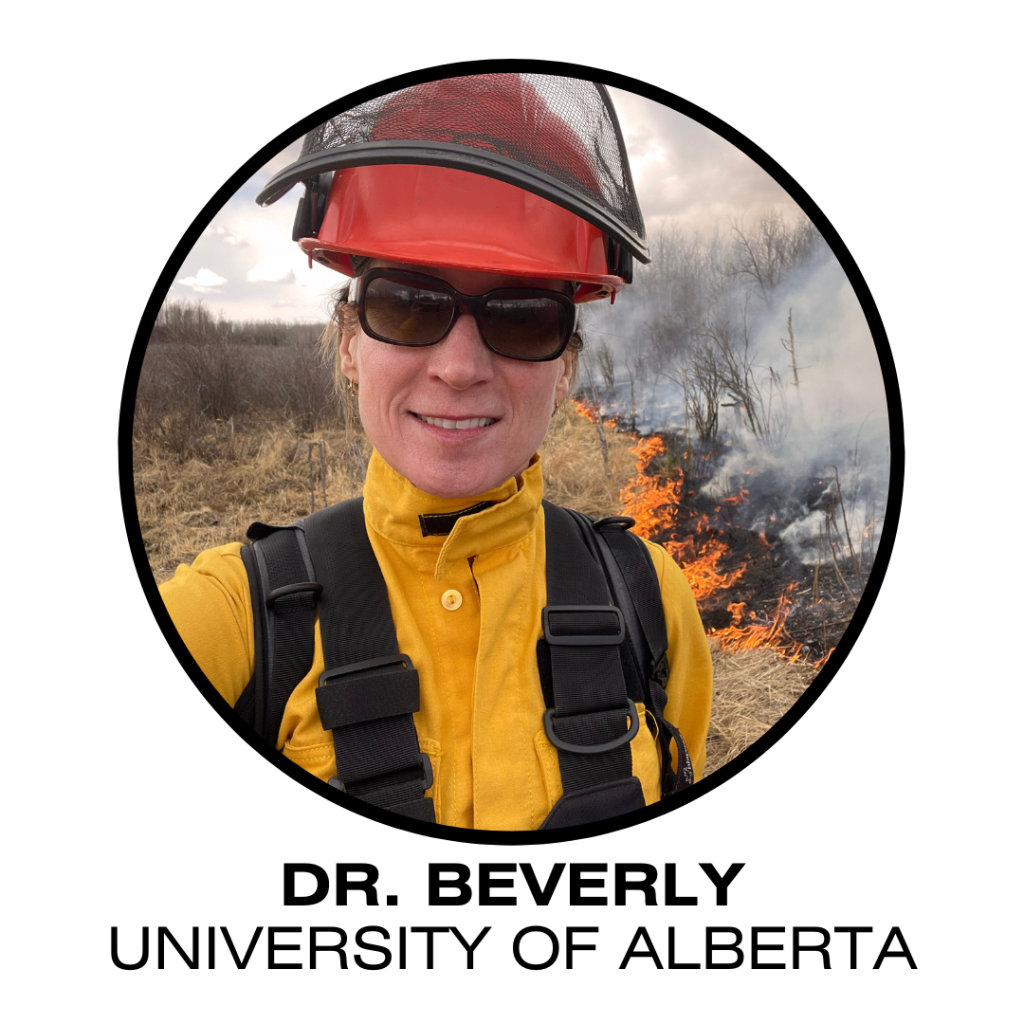
Dr. Beverly is an Associate Professor at the University of Alberta. Her research team currently focuses on various aspects of wildfire risk assessment – with the overarching goal of providing decision makers with tools to ensure social and ecological systems thrive in fire-prone environments. She is a fire behaviour specialist and former helitack crew leader with firefighting experience obtained in multiple Canadian provinces, as well as Montana and Oregon.

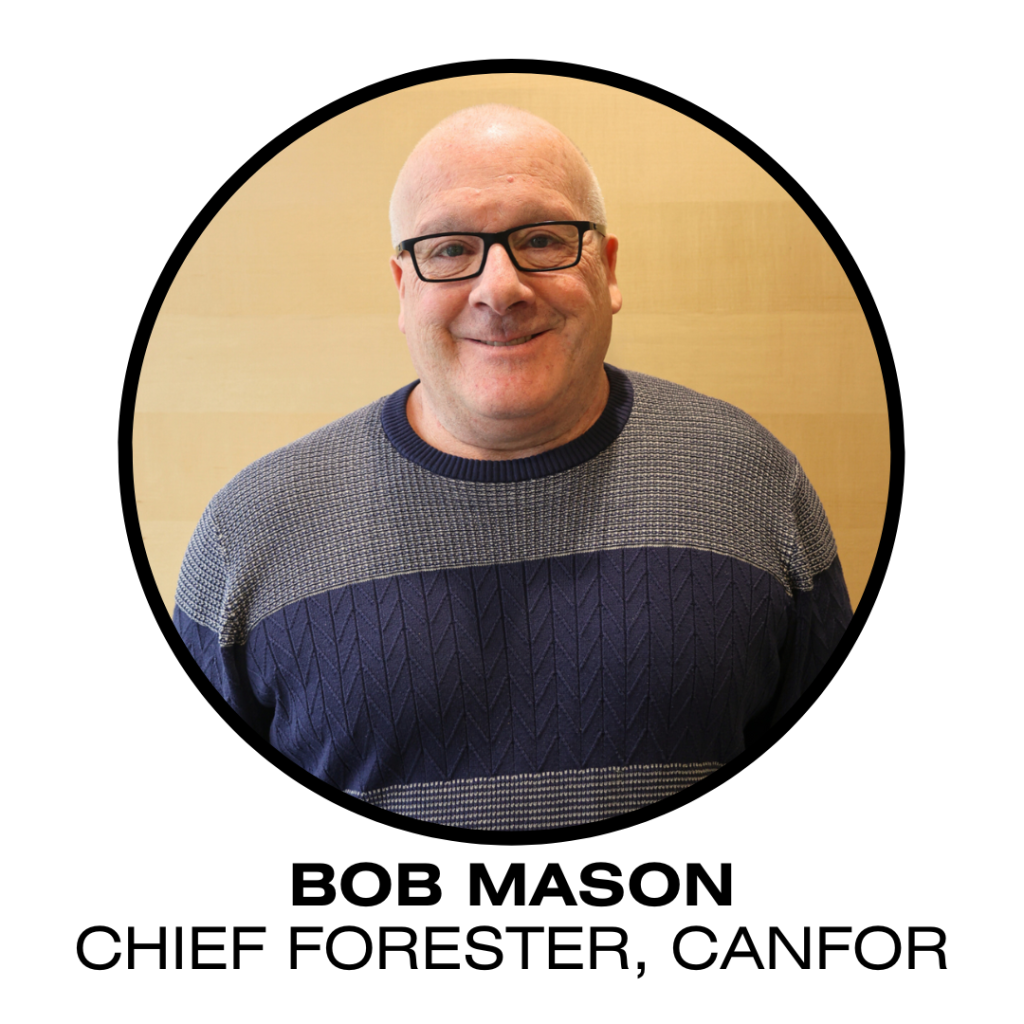
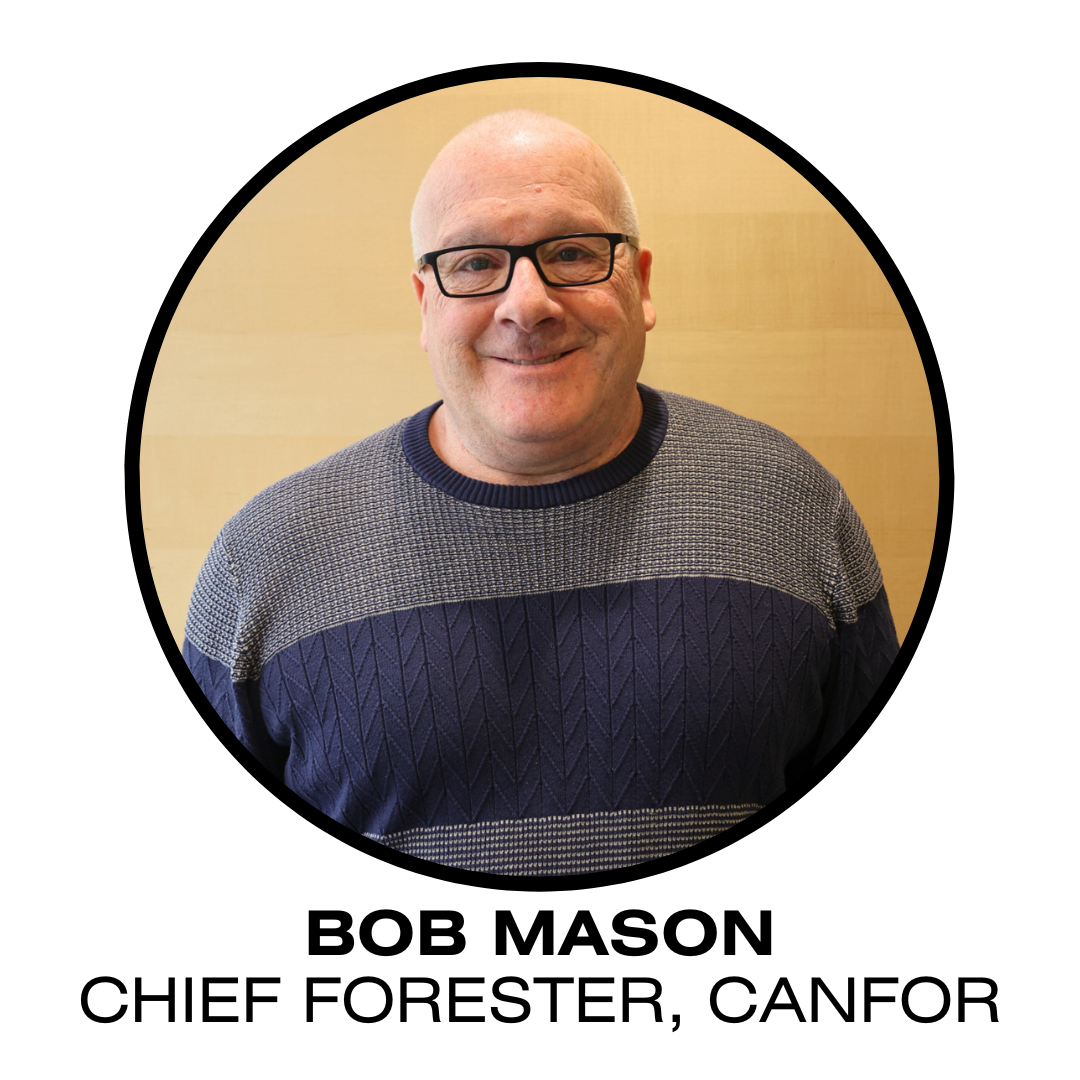
Bob Mason

Bob Mason is a registered professional forester with more than 35 years of experience in sustainable forest management in Alberta, including senior roles in both forest management planning and woodlands operations.


Bob is Chief Forester for Canfor in Alberta where he oversees the Company’s corporate forestry activities in support of its Grande Prairie, Fox Creek and Whitecourt Divisions. He is responsible for ensuring long-term forest sustainability and maintenance of biological diversity across the company’s
forest tenures, as well as providing direction on the company’s engagement and relationship building with Indigenous communities, environmental certification programs and woodlands research initiatives. Bob also represents the company in joint industry-government work on legislation, policy, wildlife management and species at risk.

Bob holds a Bachelor of Science in Forestry from the University of Alberta. His extensive contributions to industry advancement include his current service on the board of directors of fRI Research, on committees of the Forest Products Association of Canada, the Alberta Forest Products Association, the National Council for Stream and Air Improvement, and fRI Research, and as Canfor’s representative on research and programming initiatives conducted in partnership with Ducks Unlimited Canada.

Bob and his wife Carole reside in St. Albert and enjoy spending time outdoors, camping, backpacking, cycling and snowshoeing.

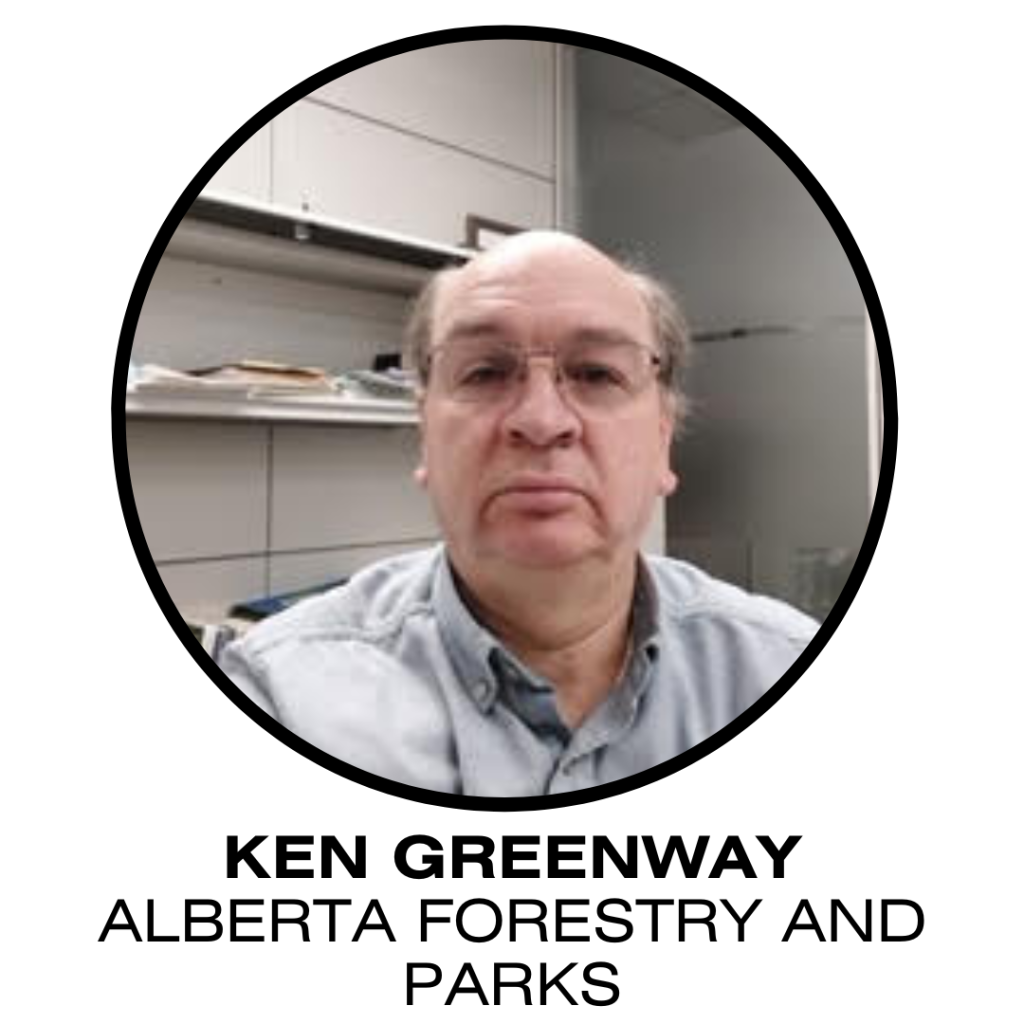
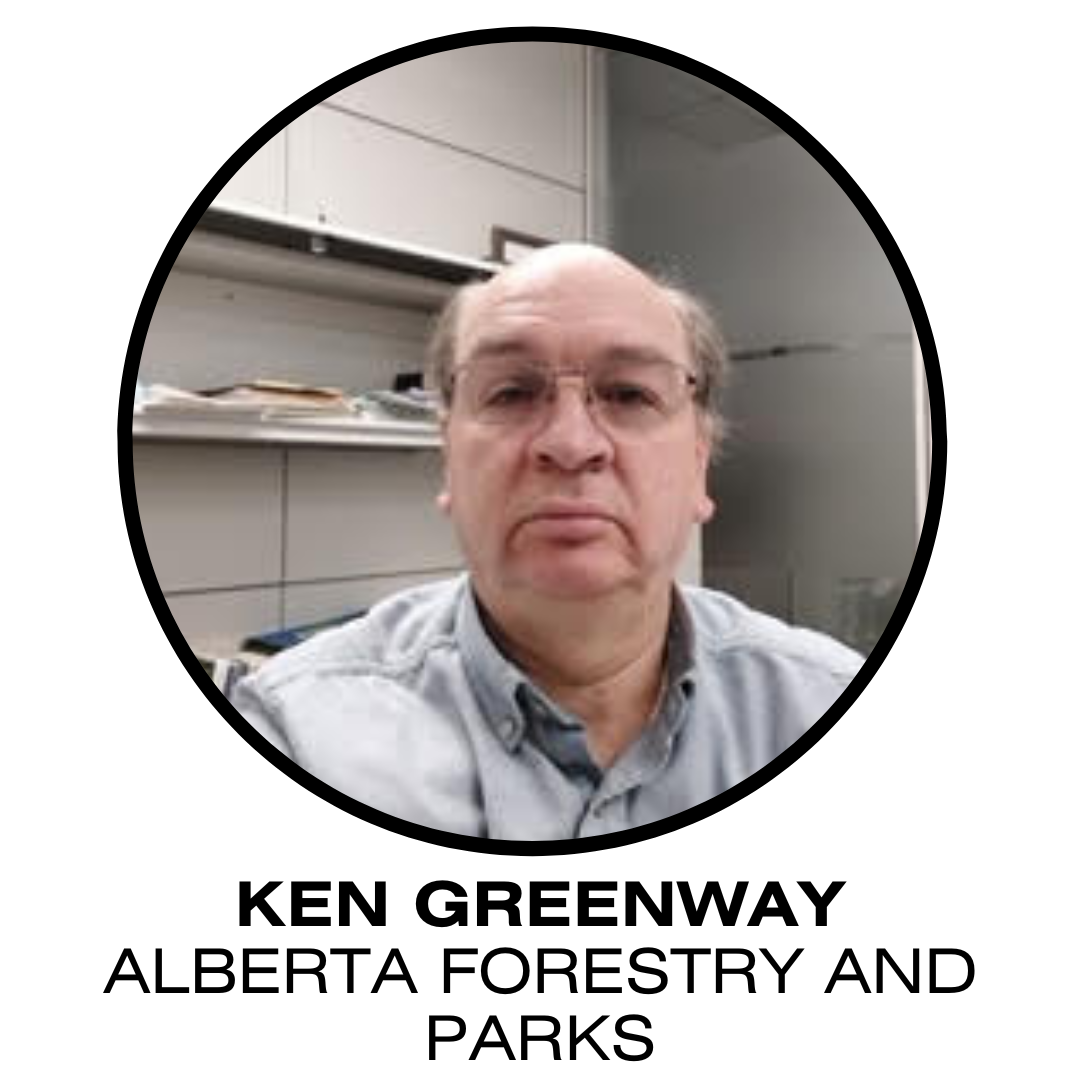
Ken Greenway

Ken Greenway, following his Ph.D., dedicated approximately eight years of his career to applied research silviculture at the then Alberta Research Council. During this period, his primary focus revolved around examining aspen tree regeneration post-forest harvesting and the growth of aspen-white spruce mixedwood.

In 2003, Ken transitioned to the provincial government, assuming the role of a research scientist with a specialized focus on reforestation and regeneration systems. He played a pivotal role in leading the redevelopment of provincial reforestation standards. This transformation involved shifting from a system merely assessing site occupancy by trees to one that connects growth assumptions in forest management plans to an assessment of tree species occupancy, density, and growth.

By 2007, Ken took on a management role in reforestation, subsequently navigating through various areas of forest management responsibility. His journey included management roles in cross-ministry initiatives, along with a brief stint within the rural development space.

In November 2021, Ken assumed the acting role of Executive Director of the Forest Stewardship and Trade branch, securing the position permanently in 2022. His branch shoulders a wide range of responsibilities, spanning trade files such as the softwood lumber dispute with the US, timber dues rate setting and collection, forest tenure issuance, timber production auditing, and compliance monitoring. This involves ensuring harvesting rates align with approved amounts. Ken is actively involved in addressing forest health and adaptation, covering aspects like mountain pine beetle management and tree genetics standards. His role extends to forest management planning, contributing to regional and sub-regional land planning initiatives, as well as forestry data management.

PO BOX 4990
Edmonton AB
T6E 5G8


Rooted in Wisdom: Deer Aging Techniques

Embark on a journey of precision and insight with the Lethbridge College Wildlife Analytics Lab (WAL) at the ACTWS Conference in Jasper! Join our workshop, ‘Rooted in Wisdom: Deer Aging Techniques‘, to explore the secrets hidden within wildlife teeth. Explore both the field technique of ‘tooth eruption and wear’ and the laboratory marvel of ‘cementum analysis’ – both dedicated to unraveling the mysteries of ungulate ages. Delve into the heart of these techniques, comparing their accuracy and precision, with a revelation of the superior accuracy of cementum analysis. Learn the art of tooth extraction and witness the seamless process of submitting your own wildlife teeth to the WAL for aging through cementum analysis. Elevate your understanding of deer populations and contribute to the advancement of wildlife knowledge and bolster your resume with applied experience. Participants will gain hands-on familiarity with the field technique of jaw aging, and the lab process of tooth extraction, inspection, preparation, and cementum analysis. Join us in Jasper for a transformative experience at the intersection of field expertise and cutting-edge laboratory analysis!

Facilitated by the Wildlife Analytics Lab, Lethbridge College

Cost: $15

Professional refers to someone who works with wildlife and/or their habitats in a professional setting.

In this context, it is not in reference to a legal professional designation.

LOGIN