Public Talk: A new strain of an old tapeworm carried by coyotes is causing a zoonotic disease outbreak
We’re wrapping up our spooky October Parasite and Disease Series with a special in-person talk in collaboration with the University of Alberta Student Chapter!
During the event, we’ll be selling 50/50 tickets, with proceeds supporting UofA student professional development. After the talk, we’ll head over to Dewey’s on campus for an informal social to keep the conversations going!
And since it’s almost Halloween, we’re strongly encouraging everyone to get into the spooky spirit! Come dressed as your favorite disease, parasite, host, or simply wear your favorite Halloween costume!
When: Thursday, October 29th from 6:00-7:00 PM
Where: HC L1-L1, Humanities Centre, University of Alberta (near parking lot N). For map, please click here.
Afterparty location: Dewey’s. For map, please click here.
This is a free event! We encourage everyone to register in advance so we have an idea of how many people to expect and can plan accordingly. Walk-ins are still welcome!
Abstract:
A new strain of the zoonotic tapeworm, Echinococcus multilocularis, which is carried by canids and rodents, is causing an outbreak of alveolar echinococcosis (AE) for people in Alberta. No similar phenomenon is occurring elsewhere in North America, despite the widespread presence of other strains of the tapeworm. This phenomenon is being addressed from ecological, public health, and social science perspectives by researchers at the University of Alberta, King’s University, and Alberta Precision Laboratories and all three will contribute to the talk. Sage Raymond and Colleen Cassady St. Clair (U of A) will describe their work on coyotes, showing how infection prevalence varies among land use contexts; how prevalence may increase in animals that consume anthropogenic food; and how some people, such as those experiencing homelessness, may be uniquely susceptible to exposure and infection. Darcy Visscher (King’s U) will describe his work on infection risk in dogs from both rural and urban areas and describe a case study of one infected animal. Kinga Kowalewska-Grochowska (U of A, APL) will describe the exponential growth in infection rates among Albertans and review emerging advice for public health. Howie Harshaw (U of A) will describe his planned work on the social science of parasite exposure and how the public might be more effectively informed about this emerging infectious disease with application to other urbanizing zoonotics in Alberta and around the world.
Bios:
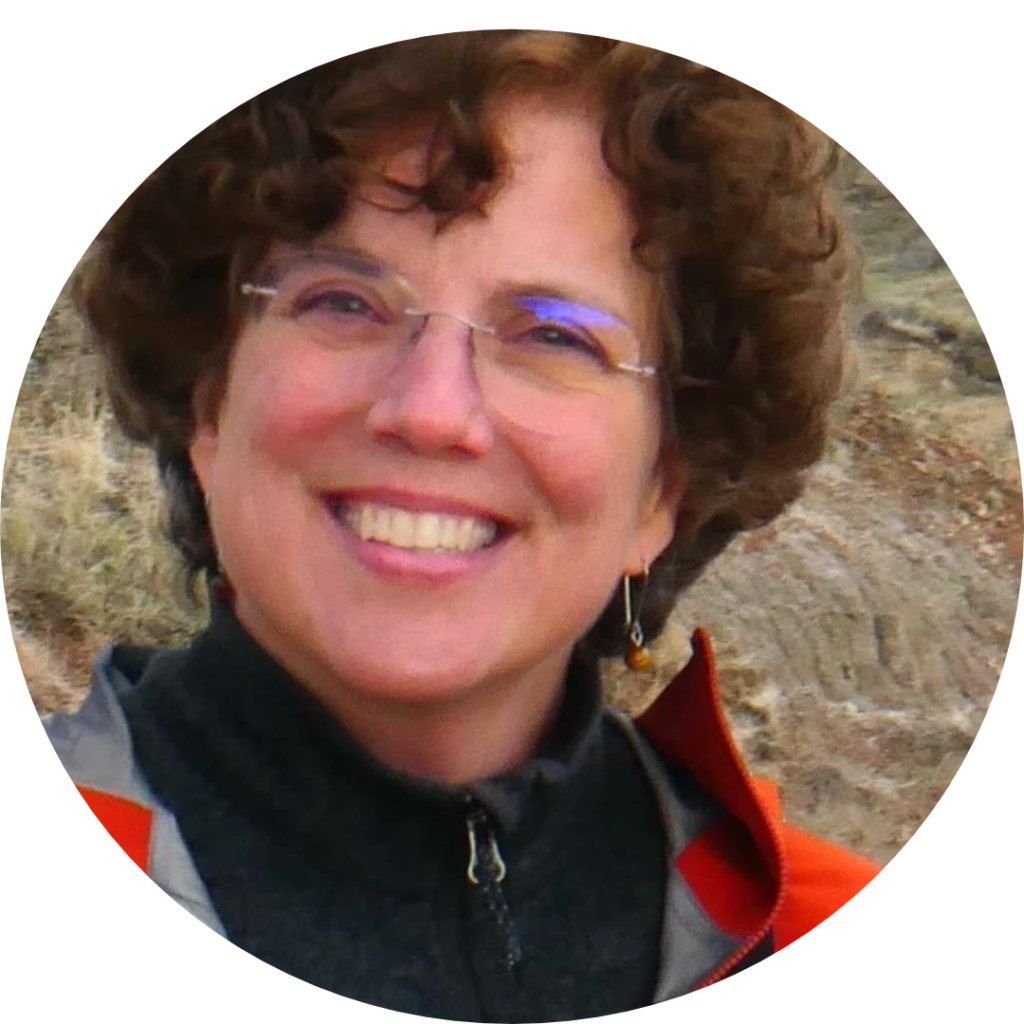
Colleen Cassady St. Clair is a professor of Biological Sciences at the University of Alberta where she has been since 1998. Prior to that she completed degrees at the Universities of Alberta (B.Sc.), Canterbury (M.Sc.) and Oklahoma (Ph.D.). She and her students emphasise knowledge and methods of animal behaviour to study problems in wildlife conservation and management with a focus on resolving human-wildlife conflict. Together, they have produced over 100 peer-reviewed papers, a dozen government reports, several magazine articles, and hundreds of presentations and media interviews. Colleen seeks to engage others in both the process and products of science with collaborative teams that include wildlife and land managers, policy makers, diverse interest groups, and members of the public. You can learn more about Colleen on her University of Alberta webpage here.
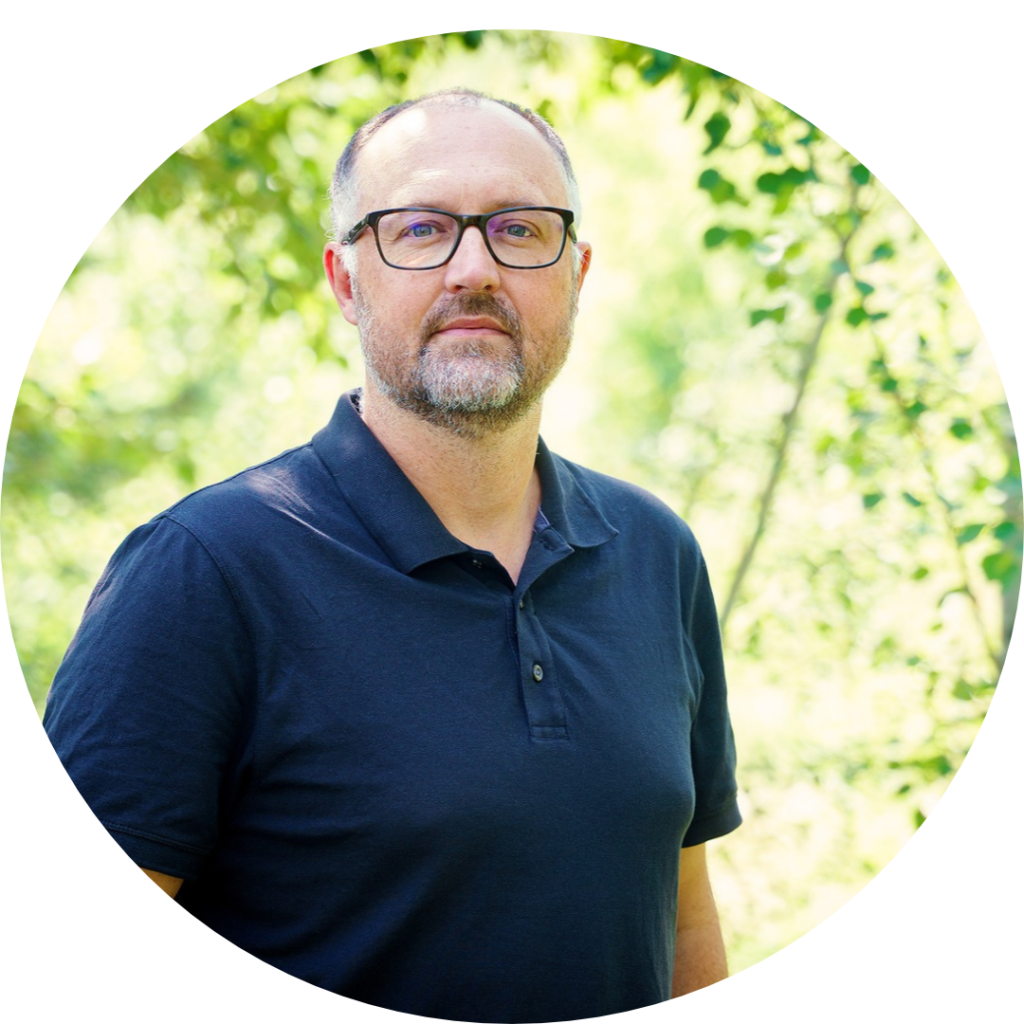
Darcy Visscher is an Associate Professor of Biology at The King’s University. His research has increasingly become oriented towards urban ecology and zoonotic diseases. He is generally interested in the role that urban landscapes and individual behaviour play in mediating human-wildlife conflict. In particular, how animals manage human disturbance through movement behaviour and the implications this has for zoonotic disease spread.
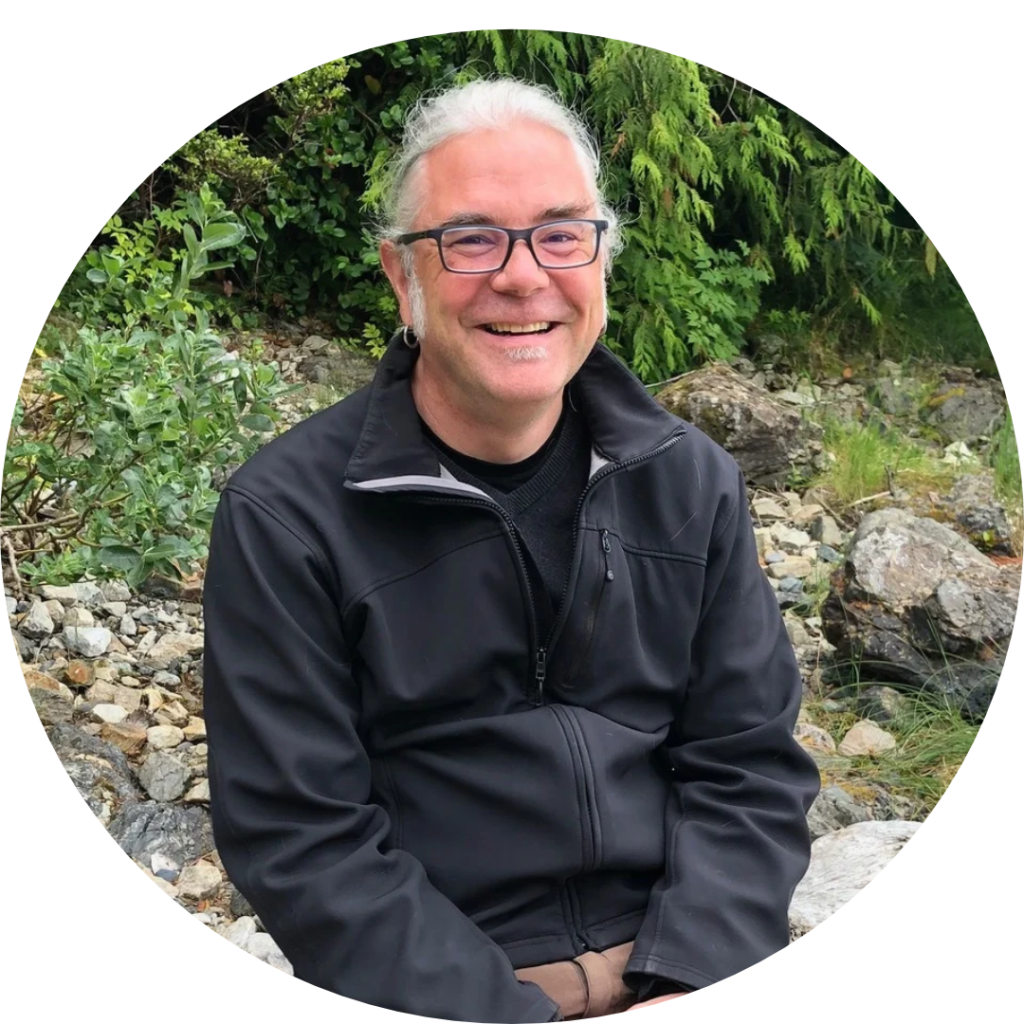
Dr. Kowalewska-Grochowska earned her MD degree in Poland, before moving to the UK, where she worked as a medical microbiologist, but finally chose Canada as her forever home. She currently works at APL Provincial Lab for Public Health as a Program Lead for Medical Parasitology and Entomology as well as an Associate Professor, Department of Medical Microbiology and Immunology at University of Alberta with a cross-appointment to the Department of Lab Medicine and Pathology. Her primary research and clinical/public health interests are Echinococcus multilocularis and Toxoplasma in the context of disease detection, epidemiology and public health implications.
Howie Harshaw is a professor in the Faculty of Kinesiology, Sport, and Recreation at the University of Alberta. He examines the human dimensions of natural resources, with an emphasis on outdoor recreation, in an effort to understand the relationships that people have with nature, and to investigate interactions between people and wildlife and between people and natural resource development.
Embark on a journey of precision and insight with the Lethbridge College Wildlife Analytics Lab (WAL) at the ACTWS Conference in Jasper! Join our workshop, ‘Rooted in Wisdom: Deer Aging Techniques‘, to explore the secrets hidden within wildlife teeth. Explore both the field technique of ‘tooth eruption and wear’ and the laboratory marvel of ‘cementum analysis’ – both dedicated to unraveling the mysteries of ungulate ages. Delve into the heart of these techniques, comparing their accuracy and precision, with a revelation of the superior accuracy of cementum analysis. Learn the art of tooth extraction and witness the seamless process of submitting your own wildlife teeth to the WAL for aging through cementum analysis. Elevate your understanding of deer populations and contribute to the advancement of wildlife knowledge and bolster your resume with applied experience. Participants will gain hands-on familiarity with the field technique of jaw aging, and the lab process of tooth extraction, inspection, preparation, and cementum analysis. Join us in Jasper for a transformative experience at the intersection of field expertise and cutting-edge laboratory analysis!
Facilitated by the Wildlife Analytics Lab, Lethbridge College
Cost: $15
Professional refers to someone who works with wildlife and/or their habitats in a professional setting.
In this context, it is not in reference to a legal professional designation.